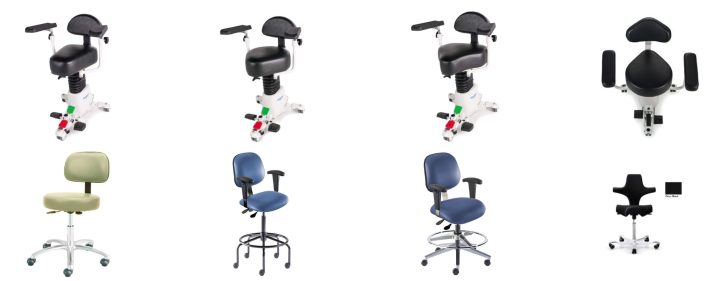
In healthcare, seating is never “just a stool.” The right medical stool or task chair can reduce fatigue, improve posture, support precision work, and help teams move efficiently in tight clinical spaces. At Auxo Medical, we offer a focused lineup of ergonomic medical stools and task seating built for real-world clinical workflows—from procedure rooms and operating rooms to ultrasound departments and anesthesia workstations.
Below is a practical guide to choosing the right stool, plus a curated selection of products from our Stools / Task Seating category (with direct links to each product page).
Why Ergonomic Medical Seating Matters (More Than Most People Think)
Clinical work often combines static posture (long periods seated) with frequent micro-movements (leaning, pivoting, reaching, repositioning). Over time, poorly matched seating can contribute to discomfort and inconsistent positioning—especially in imaging and surgical environments where small posture changes matter.
When you choose a purpose-built medical stool or task chair, you’re typically optimizing for:
- Neutral posture support (back support, seat shape, appropriate height range)
- Mobility and access (stable bases, smooth casters, easy repositioning around equipment)
- Workflow speed (quick height changes, foot rings, intuitive controls)
- Cleanability (materials and designs that are easier to wipe down)
Quick Buying Guide: How to Choose the Right Medical Stool or Task Chair
- Backrest vs. no backrest: If staff will be seated for extended periods (anesthesia, ultrasound, longer procedures), a backrest can improve comfort. For short tasks or frequent repositioning, a no-back option can increase freedom of movement.
- Foot ring and height control: Foot rings are helpful when clinicians need stable lower-body support—especially at higher seat heights or when working around tables, booms, and equipment.
- Seat shape matters: Wedge, teardrop, and saddle styles can improve access and positioning depending on the specialty and how close the user needs to get to the field.
- Weight capacity and stability: Consider base diameter, materials, and rated capacity—especially for high-use departments.
- Department-specific needs: Ultrasound/sonography often benefits from specialized ergonomic chairs; surgery may require surgeon-focused stools with positioning support; anesthesia seating should be built for long cases.
Featured Medical Stools & Task Seating from Auxo Medical
Physician & Surgeon Stools (Exam Rooms, Clinics, Procedure Rooms)
If your team needs dependable, day-in/day-out clinical seating with fast positioning changes, our physician/surgeon stool options are designed to balance mobility, stability, and comfort.
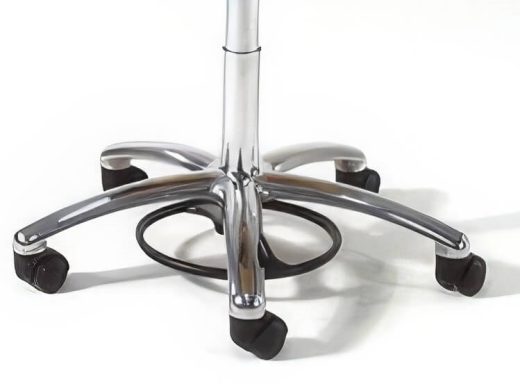
- Physician Surgeon Stool 360° Foot Pneumatic height adjustable Polished Aluminum – No Backrest
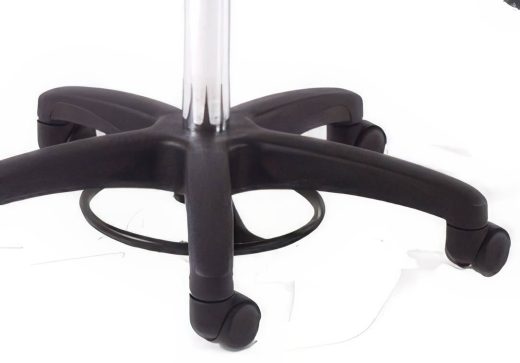
A streamlined choice for quick movement and frequent repositioning—ideal for general exams, room-to-room workflows, and tasks where clinicians prefer an open range of motion. - Physician Surgeon Stool (9801B) 360° Foot Pneumatic height adjustable Nylon Composite Base w/ Backrest
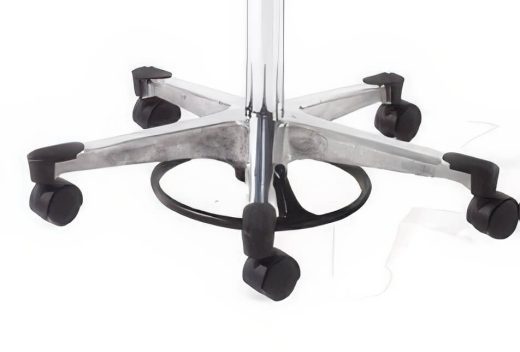
A practical “daily driver” stool with back support—useful for outpatient clinics, specialty practices, and procedure settings where staff remain seated longer. - Physician Surgeon Stool (9802B) 360° Foot Pneumatic height adjustable Brushed Aluminum w/ Backrest
Built for professional clinical environments where durability and stable positioning matter—great for busy practices and treatment rooms. - Physician Surgeon Stool (9803B) 360° Foot Pneumatic height adjustable Polished Aluminum w/ Backrest
A strong fit for procedure-oriented spaces that want back support plus a polished, professional look—often chosen for higher-visibility clinical areas and specialty rooms.
Common departments/industries that benefit: primary care, urgent care, outpatient clinics, specialty physician offices, treatment rooms, dermatology, ENT clinics, and general medical practices.
Surgical Stools for Precision Work (Ophthalmology, ENT, Plastics, Procedure Suites)
For surgical environments, seating often needs to do more than “roll and lift.” Specialty surgical stools can support arm positioning, provide stable control, and help the clinician maintain consistent posture during fine-motor procedures.
- HSS Surgistool Wedge Seat
A wedge seat profile can help with forward-lean positioning and close access to the field—useful in settings where clinicians need controlled posture and precise reach. - HSS Surgistool Tear Drop Seat
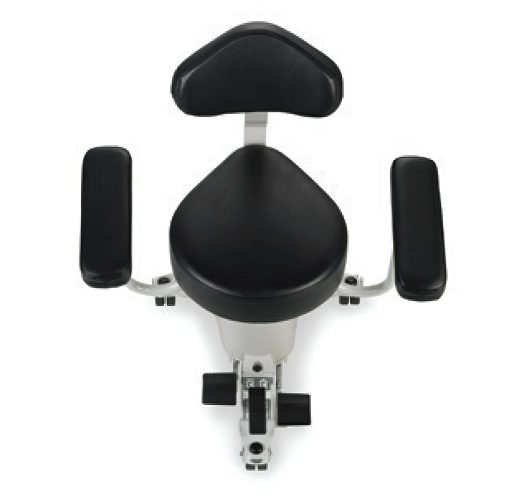
Teardrop seating is a popular shape for clinicians who need close access and flexibility around the sterile field—supporting efficient leg positioning and mobility. - HSS Surgistool Saddle Seat
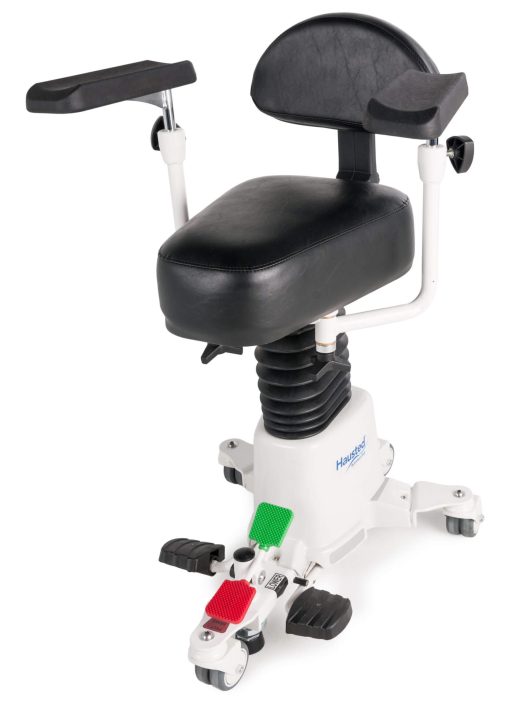
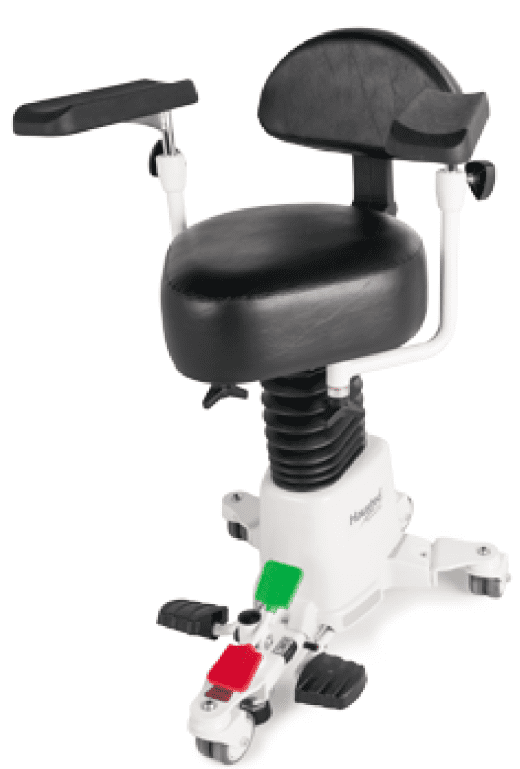
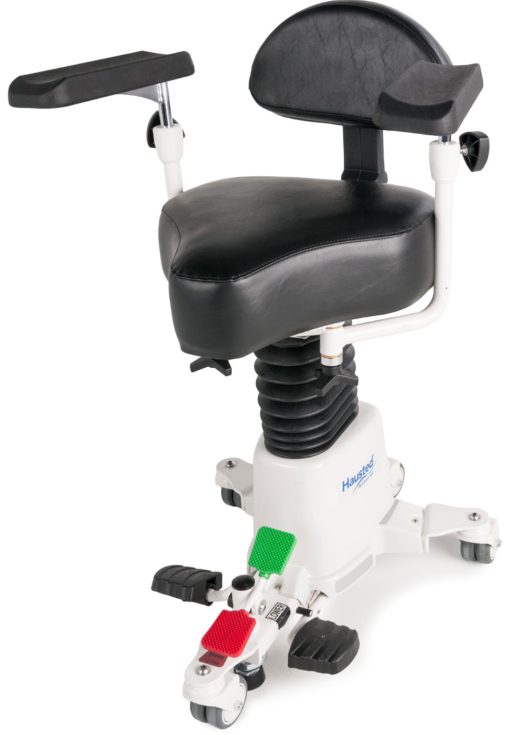
Saddle seating promotes a more open hip angle for many users, which can be helpful during long procedures where posture consistency matters. - Stryker Surgistool II with teardrop style seat
A purpose-built surgical chair designed around positioning preferences, with adjustable support features—ideal when clinicians need confident control and repeatable ergonomics in the OR.
Common departments/industries that benefit: operating rooms, ambulatory surgery centers (ASCs), ophthalmology, ENT, plastic surgery, and other precision procedure environments.
Anesthesia Stools & Chairs (Long Cases, High Demands, Real Comfort)
Anesthesia teams and clinicians supporting long cases often need seating that stays comfortable hour after hour—while still enabling quick movement and stable posture at the head of the bed.
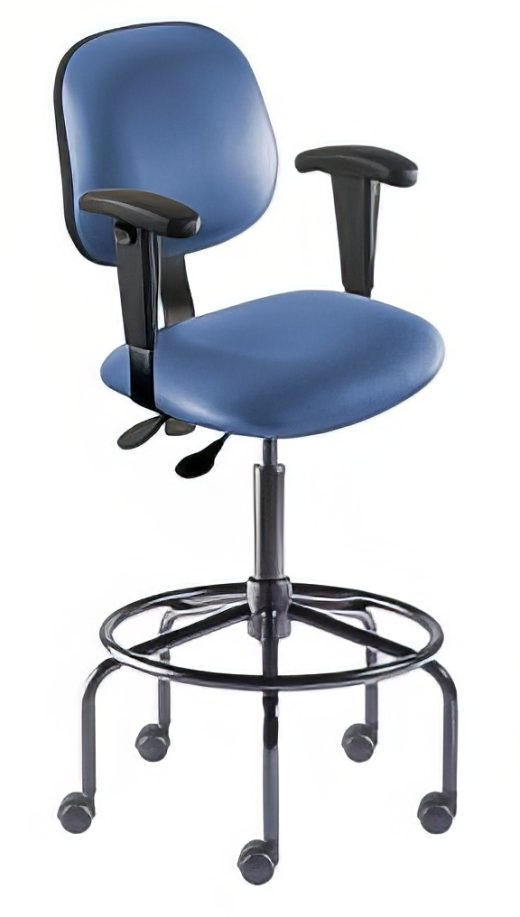
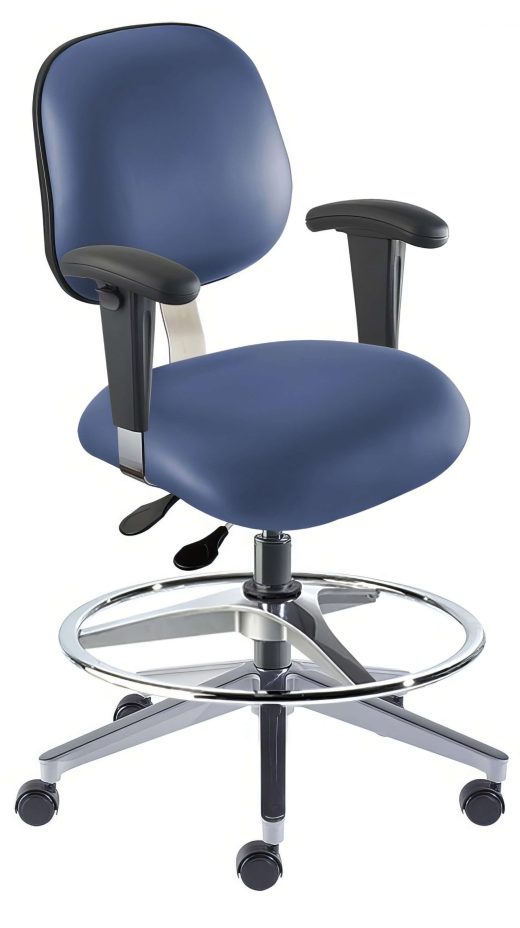
- BioFit Heavy Duty Anesthesia Stool
A heavy-duty option designed for long cardiovascular and orthopedic cases—helpful when both comfort and seat height range are key considerations. - BioFit Premier Anesthesia Premier Chair with backrest tilt
A “one size fits most” style anesthesia chair designed for extended use, with backrest tilt support—often selected by departments prioritizing all-day ergonomic comfort.
Common departments/industries that benefit: anesthesia departments, OR teams, procedural anesthesia, surgical centers, hospital perioperative services.
Sonographer Chairs for Ultrasound & Vascular Imaging (Better Scanning Ergonomics)
Sonography is one of the clearest examples of why task seating matters: scanning posture, repetitive movements, and room layout all influence clinician comfort. A purpose-built sonographer chair supports better positioning at the bedside and can reduce strain during long imaging blocks.
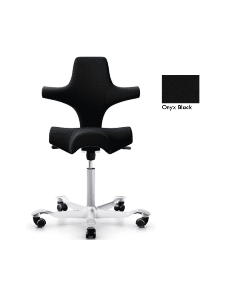
- Capisco Sonographers Chair Model 8106 Medium Height 19in-26in- Onyx
A specialized ergonomic chair option for ultrasound environments—built for controlled posture and practical adjustability in imaging workflows. - Capisco Sonographers Chair Model 8010 Medium Height 17.9in-25.2in- Black
A strong fit for departments that need reliable ergonomic seating and flexible height range to match different exam tables, patient positions, and clinician preferences.
Common departments/industries that benefit: radiology/ultrasound departments, vascular labs, cardiology imaging, OB/GYN ultrasound, outpatient imaging centers, hospital imaging teams.
General Task Seating for Multi-Use Clinical Areas (Clinics, Labs, Support Spaces)
Not every clinical space needs a specialty surgical chair—many areas benefit from a dependable, easy-to-adjust stool that supports mixed tasks throughout the day.
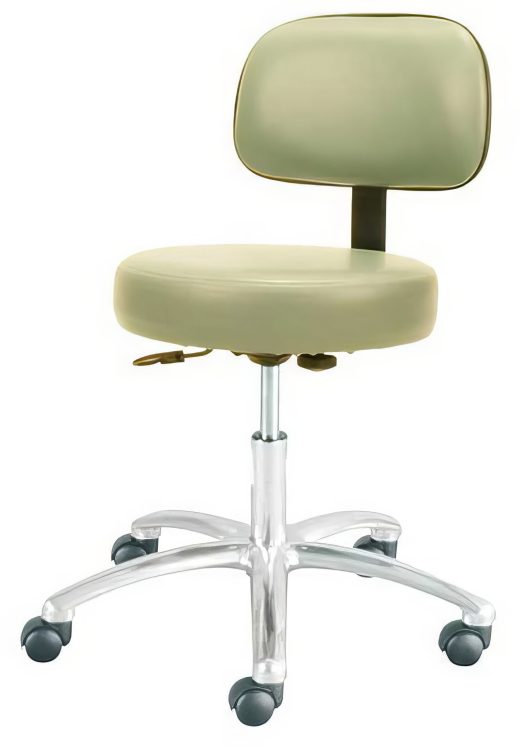
- Deluxe Gas Lift Stool w/ Back
A versatile, comfortable option for general-purpose task seating—well-suited for clinics and support spaces that want an ergonomic backrest and quick height adjustment.
Common departments/industries that benefit: labs, nursing stations, intake areas, clinical admin spaces, supply rooms, and general treatment rooms.
New, Reconditioned, and Refurbished Seating Options
Budgets and timelines vary by facility—and we support that reality. In our stools and task seating category, we offer options across conditions (including new, reconditioned, and refurbished). That flexibility helps facilities standardize seating across departments while still staying aligned with procurement requirements and total cost goals.
We’re Here to Help You Standardize Seating Across Rooms (Without Guesswork)
If you’re building out a new clinic, refreshing procedure room seating, or standardizing across multiple departments, we can help match stool style, height range, and ergonomic features to how your teams actually work. The end goal is simple: seating that supports comfort, consistency, and clinical performance.
Explore the products below and request a quote directly from the product page whenever you’re ready—our team will follow up to help you choose the right configuration for your space.
-
Physician Surgeon Stool 360° Foot Pneumatic height adjustable Polished Aluminum – No Backrest
The Physician Surgeon Stool 360° offers a blend of functionality and sleek design, tailored for medical professionals who require mobility and comfort in their workspace. With a height range adjustable from 19.75 inches to 24.75 inches, this stool accommodates various… -
Physician Surgeon Stool (9801B) 360° Foot Pneumatic height adjustable Nylon Composite Base w/ Backrest
The Physician Surgeon Stool (Model 9801B) is a premium choice for healthcare professionals seeking comfort, durability, and functionality in their workspace seating. This stool features a 360° foot ring that not only adjusts but also releases the height, allowing for… -
Physician Surgeon Stool (9802B) 360° Foot Pneumatic height adjustable Brushed Aluminum w/ Backrest
The Physician Surgeon Stool is a high-quality, versatile seating solution designed for medical professionals. Featuring a robust brushed aluminum base with a substantial 24-inch diameter for stability, this stool supports up to 350 lbs. Its pneumatic height adjustment mechanism is… -
Physician Surgeon Stool (9803B) 360° Foot Pneumatic height adjustable Polished Aluminum w/ Backrest
The Physician Surgeon Stool is a high-quality, versatile seating solution designed for medical professionals. Featuring a robust polished aluminum base with a substantial 24-inch diameter for stability, this stool supports up to 350 lbs. Its pneumatic height adjustment mechanism is… -
Stryker Surgistool II with teardrop style seat
Surgistool Chair offers customizable seat configurations with fully adjustable backrest and armrests to provide optimal support to meet the surgeon’s specific positioning preferences. Its superior pedal access and a stable, yet mobile, design helps to facilitate clinical performance.