Top 10 Industries Using Sterilization Equipment or Processes
The Use of Sterilizers, Autoclaves, UV Sterilization and more in Diverse Industries
Sterilization is a critical process that aims to eliminate or kill all forms of microorganisms, including bacteria, viruses, fungi, and spores. It is crucial in a wide range of industries to ensure the safety and integrity of products, protect public health, and prevent the spread of infections. Sterilizers play a vital role in achieving these objectives. This article will explore the use of sterilizers and their applications across different industries, highlighting the significance of this process in preserving human health and product quality.
-
Healthcare Industry:
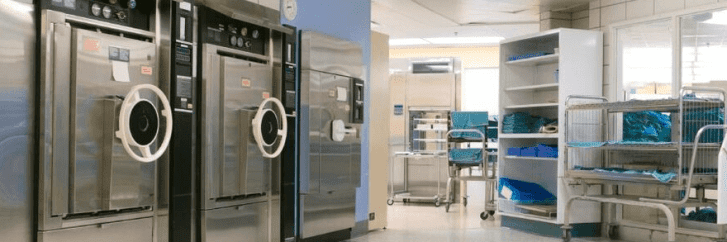
In the healthcare sector, sterilization is paramount to prevent the spread of infections between patients and healthcare professionals. Sterilizers are extensively used in hospitals, clinics, and laboratories to sterilize surgical instruments, medical devices, and equipment. Autoclaves, a type of steam sterilizer, are particularly prevalent in healthcare settings due to their effectiveness in killing pathogens. Instruments, such as scalpels, forceps, and syringes, undergo autoclaving processes at high temperatures and pressures to ensure their safe reuse.
-
Pharmaceutical and Biotechnology Industry:
Sterilization is essential in the pharmaceutical and biotechnology industries to maintain the integrity of drugs, vaccines, tissues, and other biological materials. The production of pharmaceutical products requires strict sterile conditions to ensure safety and efficacy. Sterilizers, including dry heat sterilizers, ethylene oxide sterilizers, and hydrogen peroxide sterilizers, are employed to decontaminate equipment, vials, stoppers, and other packaging materials.
-
Food and Beverage Industry:
Foodborne illnesses pose a significant risk to public health. The food and beverage industry relies on sterilizers to eliminate harmful bacteria, molds, and yeasts that can spoil products or cause illnesses. Various sterilization methods are employed, such as pasteurization, ultraviolet (UV) sterilization, and chemical sterilization. Pasteurization, for instance, uses heat to destroy pathogens in foods like milk, juices, and canned goods, significantly reducing the risk of microbial contamination.
-
Water and Wastewater Treatment:
Sterilizers are used extensively in water and wastewater treatment to eliminate harmful bacteria, viruses, and other microorganisms that could compromise public health. Ultraviolet (UV) sterilization is commonly employed in water treatment plants to effectively kill or inactivate pathogens present in the water supply. UV light disrupts microbes’ DNA, rendering them unable to reproduce and cause harm, ensuring the safety of drinking water.
-
Laboratory and Research Facilities:
Sterilizers are indispensable in laboratories and research facilities to maintain aseptic conditions and prevent cross-contamination. A wide range of equipment, including petri dishes, culture media, pipettes, and glassware, require sterilization before conducting experiments or tests. Sterilizers using dry heat, autoclaving, or chemical methods are often used, depending on the nature of the materials to be sterilized.
-
Cosmetics and Personal Care Products:
The cosmetic and personal care industries also make use of sterilization processes to ensure product safety. Cosmetics, such as creams, lotions, and makeup, are susceptible to contamination by bacteria and fungi, which may cause skin infections. Sterilization techniques, such as gamma radiation and ethylene oxide sterilizers, are employed to kill microorganisms and extend the shelf life of cosmetic and personal care products.
-
Hospitality and Travel Industry:
The hospitality and travel industry heavily relies on sterilization to ensure the safety of guests and customers. Hotels, resorts, airlines, and cruise ships utilize sterilizers to disinfect rooms, cabins, communal areas, and frequently touched surfaces. This includes sanitizing bedding, towels, curtains, upholstery, and other items to maintain a clean and safe environment for guests. Additionally, sterilization protocols are followed in food and beverage preparation areas to prevent foodborne illnesses.
-
Veterinary Practices:
Sterilization is equally important in veterinary practices to protect the health of both animals and humans. Animal clinics and hospitals use sterilization techniques to sanitize surgical instruments, equipment, and surfaces. This is crucial to prevent the transmission of infectious diseases between animals and prevent cross-contamination among patients. Sterilization plays a crucial role in ensuring a safe and sterile environment for veterinary surgeries and procedures.
-
Manufacturing and Industrial Applications:
In the manufacturing and industrial sectors, sterilization is vital for ensuring the safety and integrity of products. Sterilizers are commonly used to decontaminate production equipment, molds, and packaging materials in industries like cosmetics, pharmaceuticals, and food processing. Additionally, sterile environments are maintained during the manufacturing of medical devices, implants, and other products to prevent infections or product failure.
-
Research and Development:
The field of research and development heavily relies on sterilization to maintain the purity of cultures, tissues, and samples. Laboratories working on cell culture, genetic engineering, and biotechnology employ sterilization methods to eliminate any potential contaminants. This ensures the accuracy and reliability of research outcomes, preventing any false results due to microbial interference or contamination.
-
Bonus: Tattoo and Piercing Practitioners:
Autoclave use is crucial in the tattoo and piercing industry to ensure the safety and well-being of clients. An autoclave is a sterilization device that uses high-pressure steam to kill any bacteria, viruses, or fungi that may be present on the instruments used during procedures. This process is vital as it helps prevent the transmission of infectious diseases such as hepatitis B, hepatitis C, and HIV. Tattoo needles, piercing tools, and other equipment must be properly cleaned and sterilized before each use to eliminate any potential risks. Autoclave use is a standard practice in reputable tattoo and piercing studios, providing peace of mind to clients and ensuring a safe and hygienic environment.
In conclusion, the use of sterilizers is imperative in various industries to maintain hygiene, prevent infections, and ensure the quality and safety of products and services. From healthcare facilities to the food and beverage industry, water treatment plants, research laboratories, and manufacturing processes, the applications of sterilization are diverse, reflecting its critical role in our daily lives. As technology continues to advance, sterilizers will only become more efficient, providing enhanced sterilization methods and further safeguarding public health and product integrity. It is undeniable that sterilizers are an indispensable tool in modern society, supporting the prevention of infections and contributing to the overall safety of individuals and communities.
Order your Sterilization Equipment from Auxo Medical
At Auxo Medical, we understand the importance of maintaining a clean and safe environment in healthcare facilities. That is why we offer a wide range of top-quality sterilization equipment to meet the unique needs of hospitals, clinics, labs, as well as all the industries we have listed above.
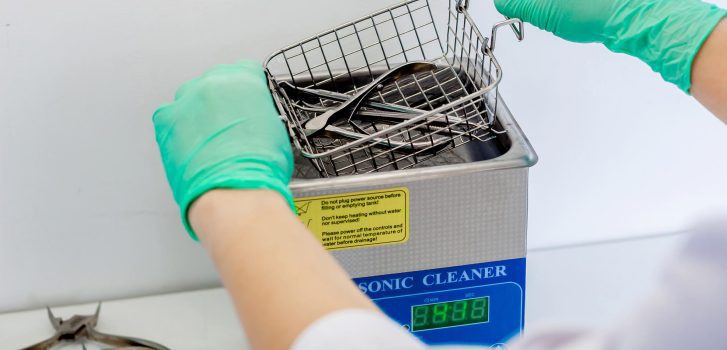
Our selection includes new and refurbished autoclaves, ultrasonic cleaners, large capacity sterilizers, washer-disinfectors, UV sanitation products and steam generators, are all designed to ensure effective decontamination and sterilization of surgical instruments, medical devices, laboratory equipment all the way to tattoo and piercing implements. With advanced features and cutting-edge technology, the sterilization equipment we sell complies with industry standards, regulations and ensures proper sterilization.
When you choose Auxo Medical for your sterilization needs, you can expect reliable performance, durability, and ease of use. The equipment we sell is designed with user-friendly interfaces and intuitive controls, allowing for efficient operation while minimizing the risk of human error.
In addition to our high-quality sterilization equipment, we also offer a comprehensive range of accessories and consumables, including lubricants, detergents, filters, indicator tapes, and biological indicators. These accessories are essential for monitoring and validating the sterilization process, ensuring that every instrument and device is properly sterilized and safe for use.
Our team of experienced professionals is committed to providing exceptional customer service and support. We offer competitive pricing and ship through the United States as well as offer installation and training on certain machines and models. In addition to your initial purchase, Auxo Medical also offers preventive maintence and repair services on sterilization equipment. See our maintenance and repair page for details and service areas.
When it comes to sterilization equipment, trust Auxo Medical for unmatched quality, reliability, and customer satisfaction. Contact us today to discuss your specific sterilization needs and let us help you find the perfect solution for your facility. Together, we can elevate the standard of infection control and patient safety in your healthcare institution.