
Implementing Blockchain in Healthcare
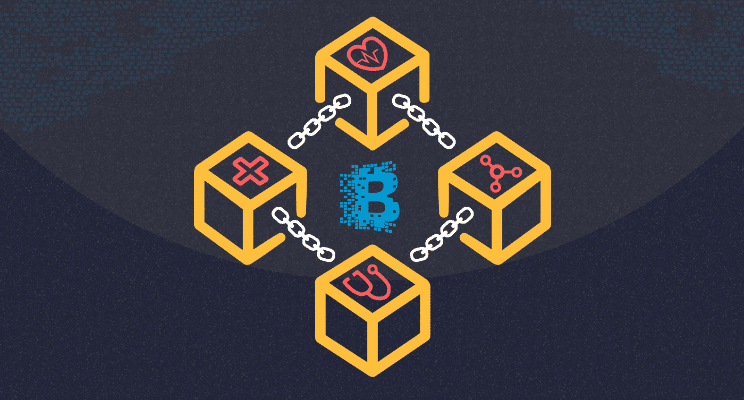 Blockchain is a tool that allows the trafficking of data and services and ensures financial exchanges happen within a secure setting. Because of this high level of security and variability, it provides valuable opportunities within healthcare. Here are some examples of how blockchain can be integrated.
Data Security within Clinical Trials
The blockchain technology allows users to prove the authenticity of any document registered in the system. Because blockchain records immutable data, it allows for the storage of clinical trials’ results in a protected fashion, literally making data unable to be modified and ensuring its efficacy.
 The ‘Blockchain in Healthcare Today’ review board discussed their major predictions for the next 12 months. Based on their responses, here are
 In our current healthcare climate, a patient can book an appointment with a physician, inquire about medical guidance, access medical records, and have a prescription filled…but never actually leave their front step. If that isn’t incredible enough — robots perform surgeries and 3D printers can print human organs; the healthcare industry transforms year after year, opening the door and earning a front row seat in the development of digital health.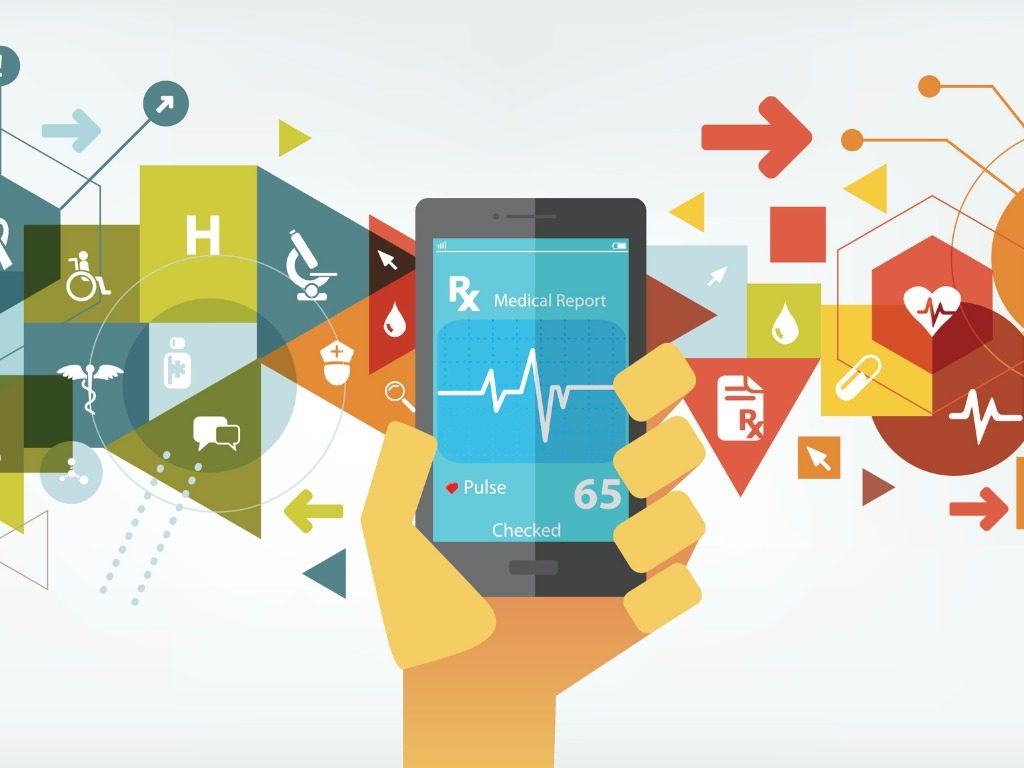


 The buzz words in healthcare, “Big Data,” have been a hot topic for years now, and they aren’t going anywhere…anytime soon.
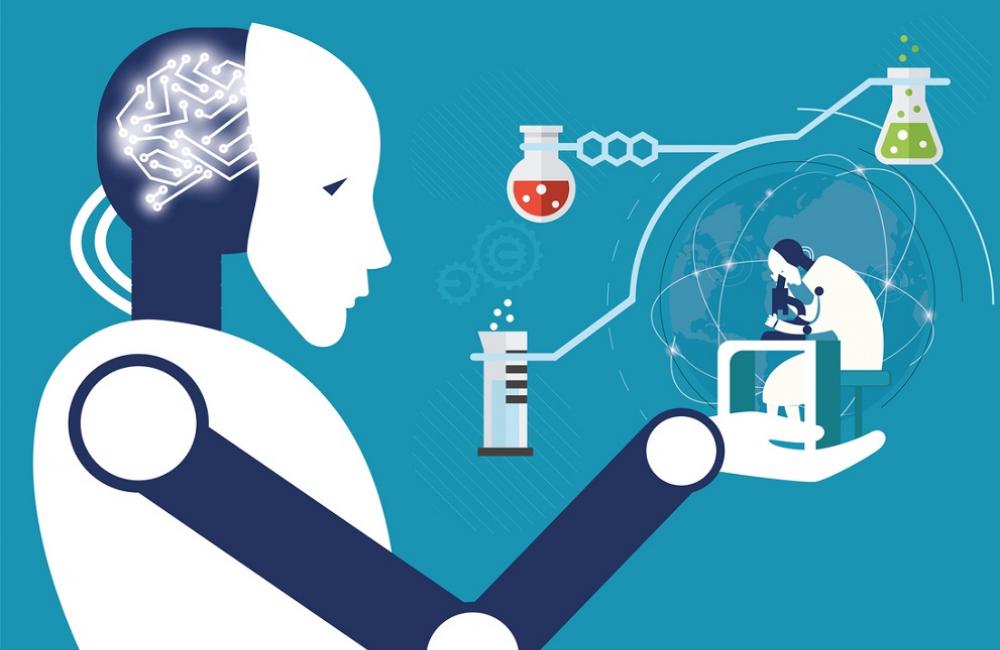 Artificial Intelligence (AI) is undeniably gaining momentum within healthcare. Case studies and beta testing is proving valuable for longterm integration inside clinical settings.
 The Institute for Healthcare Improvement (IHI) launched the Triple Aim initiative in 2007. IHI defines the Triple Aim as a “framework for optimizing health system performance.” It was created for healthcare organizations to enhance a patients’ experience (i.e. quality, access, and reliability) while reducing the per capita cost of care.