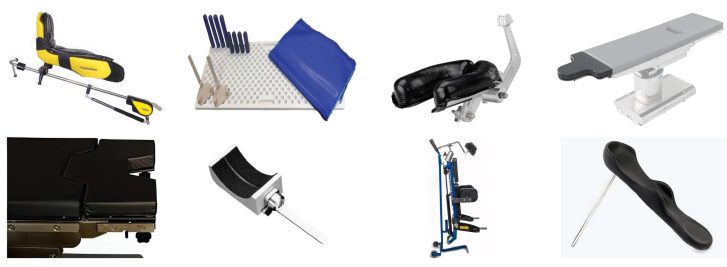
Patient Positioning Equipment: Surgical Positioners & OR Table Accessories We Trust in Real-World Clinical Environments
At Auxo Medical, we help facilities build safer, smoother workflows with dependable patient positioning equipment—from precision surgical positioners to imaging-friendly accessories. Whether you’re running an operating room, ambulatory surgery center (ASC), pain management suite, or procedure clinic, the right positioning setup supports three things every team cares about: patient comfort, secure access to the surgical site, and efficient turnover.
On our Patient Positioning catalog page, you’ll find a mix of brand new, reconditioned, and refurbished options—so you can match performance needs and budget without compromising on essentials.
Why patient positioning matters (and what people often overlook)
Patient positioning isn’t just “where the patient lies.” It’s a system that affects:
- Surgical access & visibility (stable anatomy and consistent exposure)
- Imaging quality (radiolucent components, proper table extensions, and smart accessory placement)
- Staff ergonomics (less lifting, fewer awkward holds, more controlled adjustments)
- Procedure consistency (repeatable setups across rooms, surgeons, and service lines)
A common misconception is that “pads are pads” and “supports are supports.” In reality, small details—like how a device mounts to the table, whether it’s radiolucent, how quickly it adjusts, and whether it stores cleanly—can make or break the workflow on busy days.
Featured patient positioning products (a practical sampling from our catalog)
Below is a curated sampling of patient positioning products from our Patient Positioning category. We’ve grouped them the way real facilities think about positioning: by specialty, room type, and workflow.
1) Lithotomy, GYN, urology, robotic & colorectal: stirrups and leg positioning
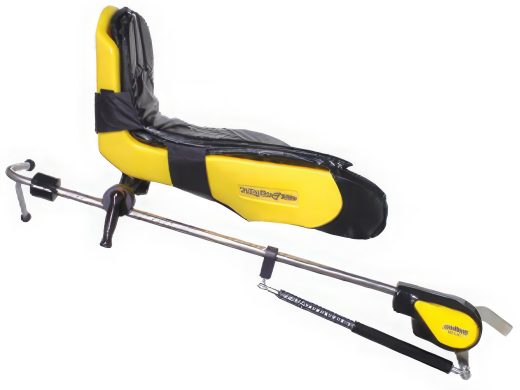
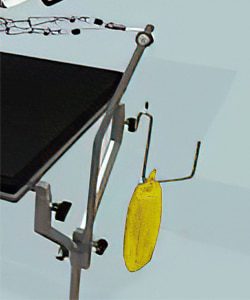
- Allen Yellofin Lift-Assist Stirrups (OEM# O-YFASI)
Built for teams that want controlled leg positioning and easier intraoperative adjustments. These are commonly used for lithotomy and are relevant across OB/GYN, urology, laparoscopy, robotic, and colorectal service lines—especially when staff ergonomics and repeatability matter. - Single Loop Leg Prep
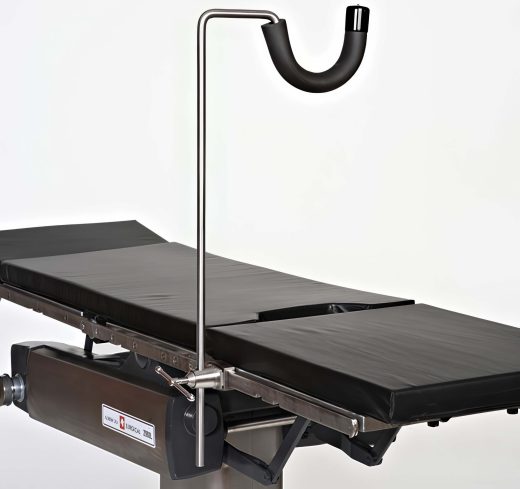
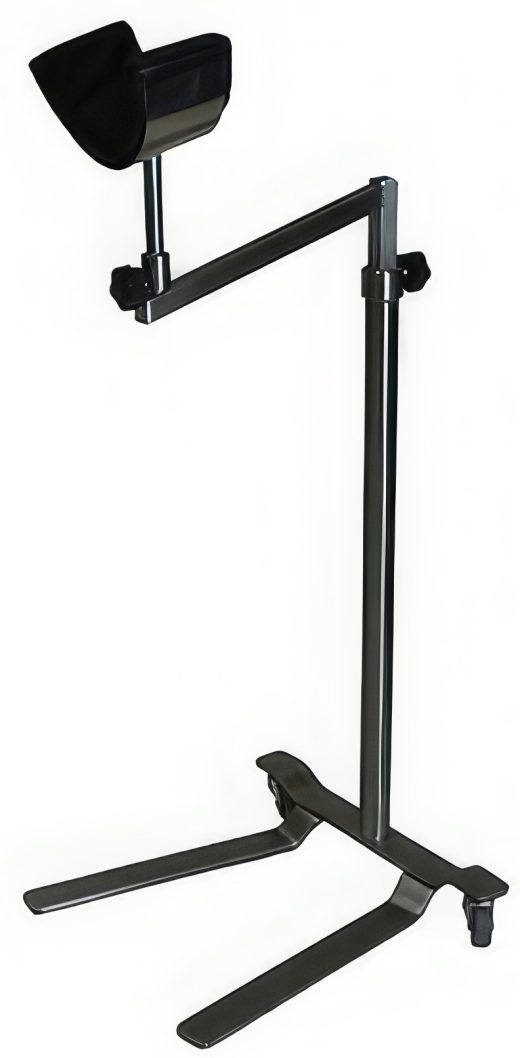
A leg-prep accessory designed to support the limb during prep and setup. Great for facilities that want a wipe-clean workflow and consistent positioning during pre-op prep steps in ORs and ASCs. - Stand Alone leg Prep
Ideal when you’re not working off a standard OR table rail. This can be especially helpful when cases are performed on a stretcher or gurney—a real-world scenario for outpatient centers, procedure rooms, and high-throughput environments where flexibility matters.
2) Orthopedics & sports medicine: knee supports, arthroscopy tools, and stress positioning
- Steris BF717 Arthroscopy Knee Positioner
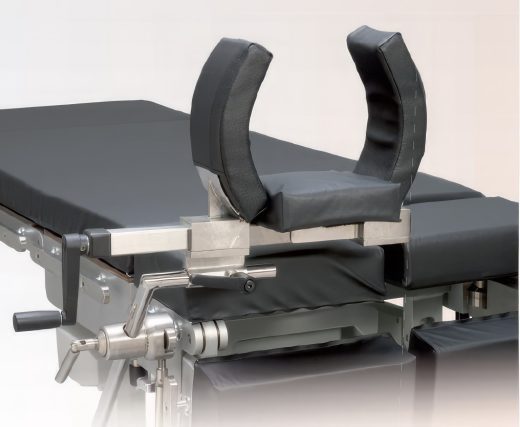
A targeted solution for arthroscopy setups (commonly “off the end” techniques). If you support sports medicine or high-volume ortho, specialized knee positioners can help standardize your room setup and reduce improvised positioning. - Total Knee Stabilizer Leg Support
Built to support legs for total knee replacement workflows. When your facility runs TKA days, purpose-built stabilizers can help maintain consistent limb support and surgeon access. - Shutt Universal Stress Post
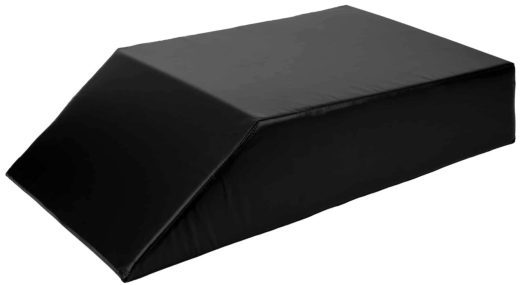
Commonly associated with meniscal repair workflows (including figure-4 positioning techniques). This is the kind of specialty tool that matters most in knee arthroscopy programs where efficiency and access are everything. - Knee Bolster Pad for Smith & Nephew T-max (BB-WEDGE-2718505)
A reusable positioning wedge designed for lower extremity positioning. Wedges are small investments that can reduce “workarounds” and help teams get consistent angles across providers and rooms.
3) Shoulder procedures & beach chair positioning: systems designed for access
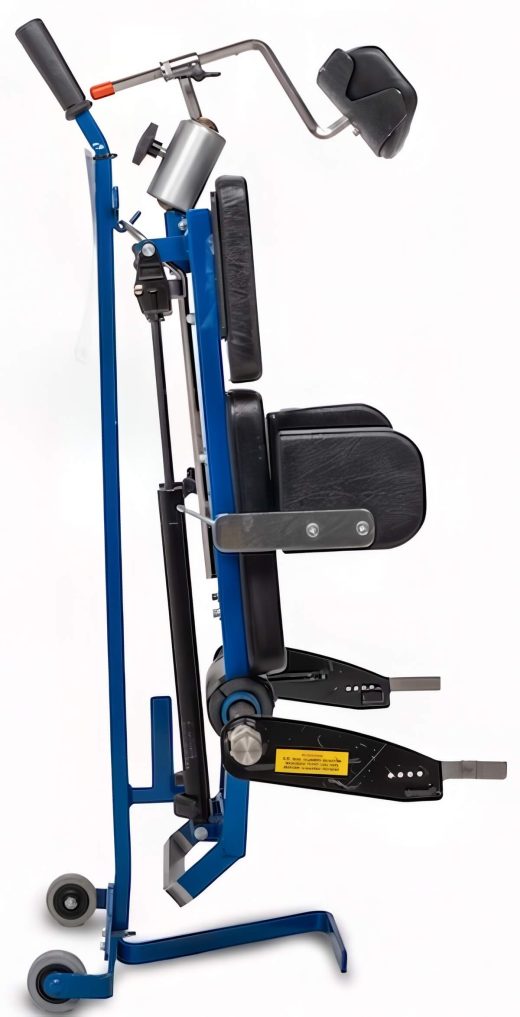
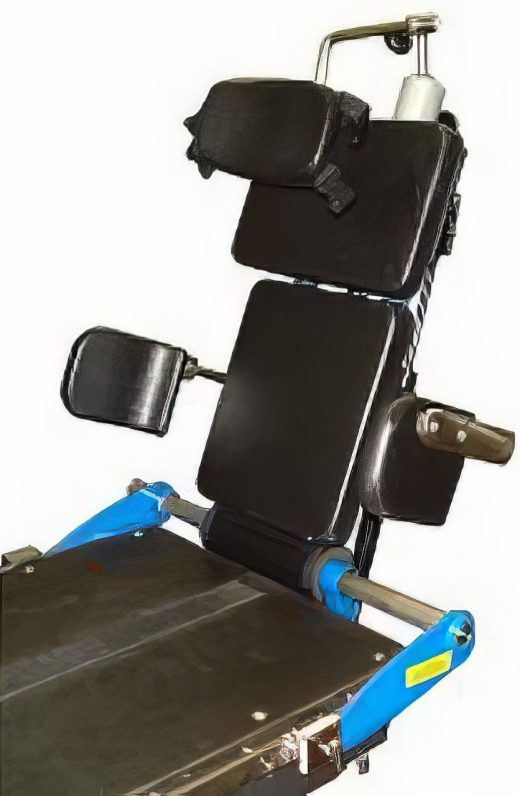
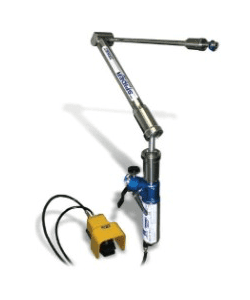
- Allen Table Powered Beach Chair
A streamlined way to position patients through an articulated range using the surgical table’s power. Great for facilities that perform frequent shoulder arthroscopy and want fast, repeatable beach chair setups. - Smith & Nephew Tenet T-max Shoulder Positioner
A shoulder positioning system designed around stable support and surgical access, with adjustability that supports a broad range of shoulder workflows. This is a strong fit for orthopedics, sports medicine, and mixed-case ASC environments. - Smith & Nephew Tenet Spider Shoulder Positioner
Used in beach chair and lateral positioning for procedures such as rotator cuff and instability work. If your facility’s shoulder volume is growing, dedicated shoulder positioners help keep outcomes consistent and setups quick. - Smith & Nephew T-max Storage Rolling Cart (OEM: 7210553)
Don’t overlook storage. Purpose-built carts reduce missing components, speed up room turnover, and make it easier to move complete shoulder positioning kits between rooms or cases. - Smith & Nephew Tenet T-max Non Operative Armboard (PN:7210559)
A specialized armboard designed to stabilize and position the patient’s arm in non-operative contexts. Useful across mixed procedure environments where access and consistent arm placement matter.
4) Head, ENT, neuro, plastics: cranial and head supports
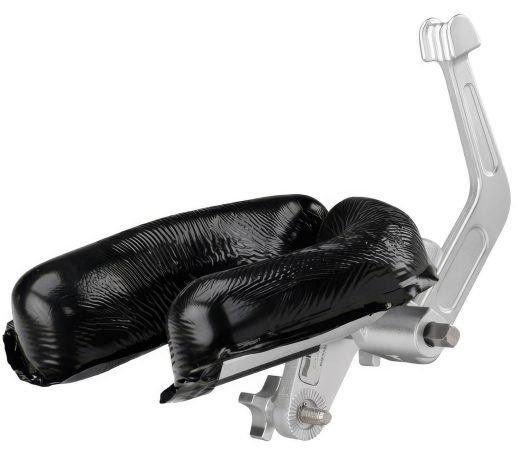
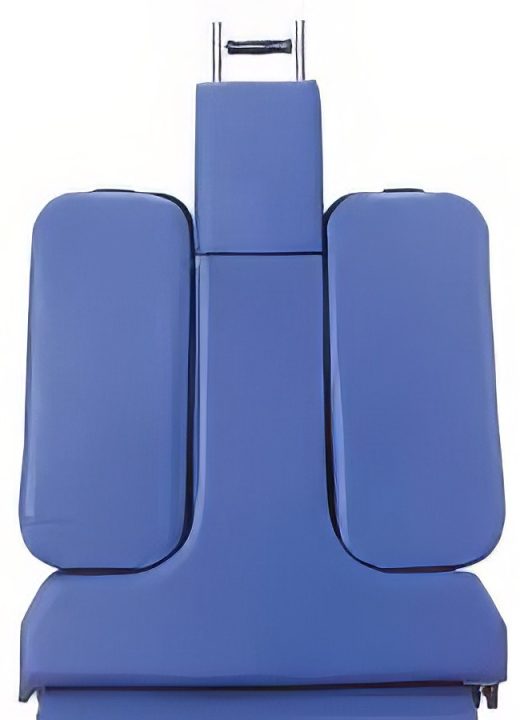
- Mayfield Headrest – Basic Headrest
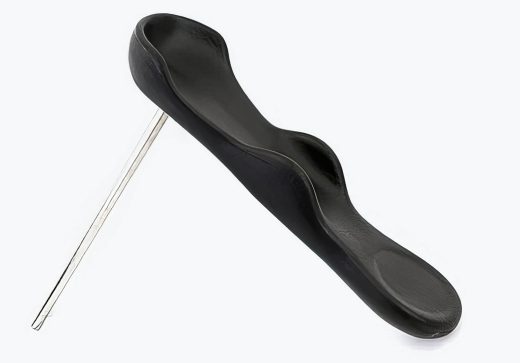
A solution designed for cranial stabilization in prone and supine positioning with mobility for head alignment. A practical option for facilities supporting ENT, neuro, and other cases where head positioning precision matters. - Steris Narrow Headrest Lightweight, Radiolucent Head Support
Designed to support access around the head while maintaining radiolucent performance—especially relevant in ophthalmic, ENT, neuro, and plastic surgery workflows where access and imaging matter at the same time.
5) Lateral positioning: peg boards and stabilization components
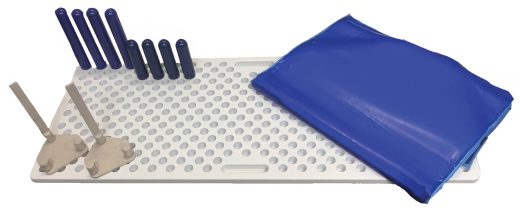
- Surgical Peg Board Positioner System for Lateral Positioning 50in
Built for lateral positioning with radiolucent pegs and a gel pad—helpful for cases where lateral stability must coexist with imaging needs. A strong fit for many orthopedic and multi-specialty OR environments.
6) Imaging, fluoro, and pain management suites: radiolucent accessories that keep images clean
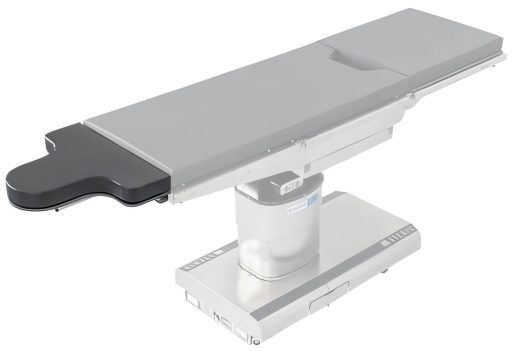
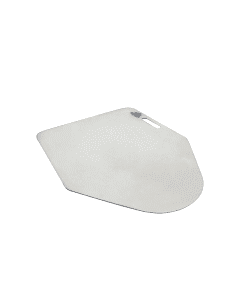
- Fluoro Extender Polycarbonate
A radiolucent extender designed to insert under the tabletop pad without attachment hardware—useful for facilities that want flexible table placement support across fluoroscopy environments. - Carbon Fiber Arm Board 6in wide- 2in Pad
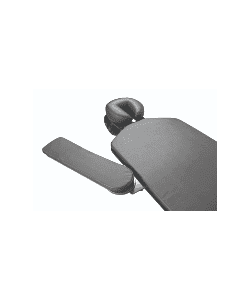
A radiolucent arm board with broad positioning range, designed to slide under the tabletop pad and fold for storage. Excellent for pain management and C-arm table workflows where imaging cleanliness matters. - Carbon Fiber Arm Board 6in wide- 1in Pad
Similar concept with a different pad profile—helpful when you’re standardizing across rooms but tailoring clinician preference. - Spine Positioning System II 8 Piece System
Built for the pain management suite and designed to improve visualization of spinal anatomy for injection workflows. If your facility performs high volumes of spine injections, dedicated systems can improve consistency from patient to patient. - Interventional Supine Pillow System Contoured Pad and Support Wedge Pad
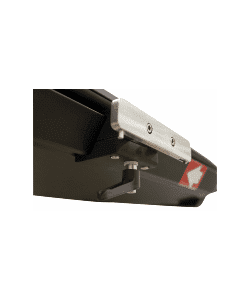
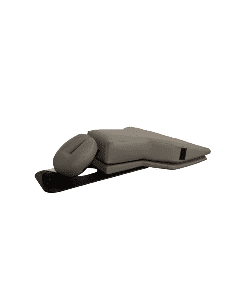
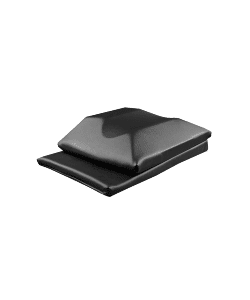
Supports the patient’s neck and can help maintain cervical positioning while creating unobstructed working space—useful in interventional environments where access and comfort both matter. - T-Rail Clamp – Imaging For CFPM tables w/ clamp groove- 6in long
Designed for CFPM imaging tables and built to lock into position. Great when you need secure mounting points for compatible accessories in imaging-heavy rooms. - T-Rail Clamp – Imaging Bariatric For CFPMB Table w/ Clamp Groove- 6in long
A bariatric-oriented clamp option for CFPMB imaging tables—valuable for facilities planning for broader patient populations and room versatility.
7) Upper extremity and hand procedures: arm/hand tables and traction
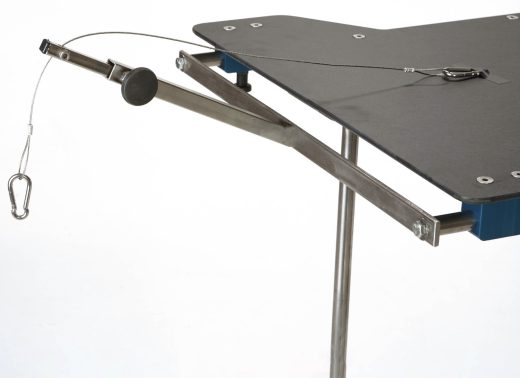
- ISI Surgical Carter Hand Surgery Table
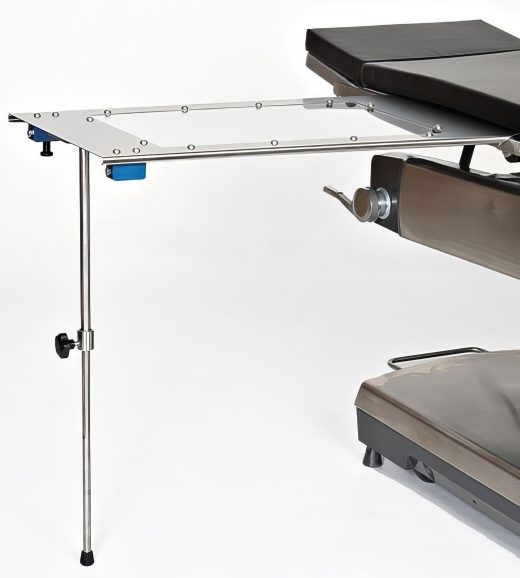
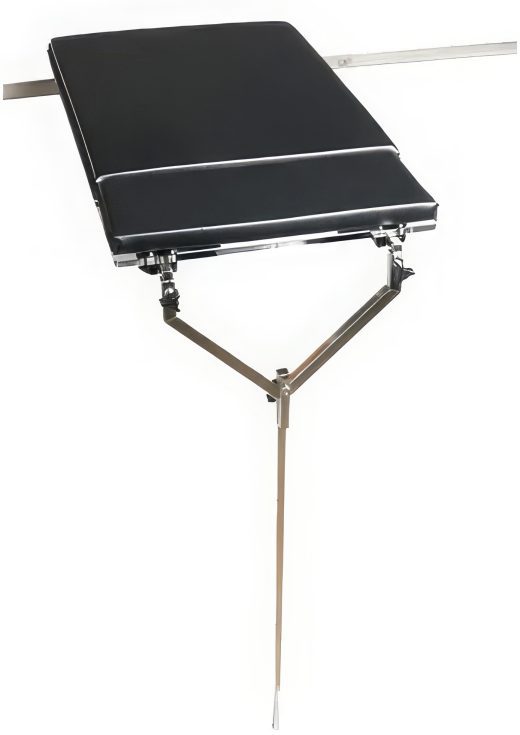
Designed to accommodate stable traction and convert quickly—useful for dedicated hand surgery programs and orthopedic specialty rooms. - Under Pad Mount Arm and Hand Surgery Table W/Single Leg
A smart option when you’re working with tables or stretchers without side rails—fast setup and minimal disruption to the patient. - 24” L Horizontal Traction Tower
A stainless steel traction solution that adapts to many arm and hand table setups—relevant for facilities that want a robust traction workflow without fragile add-ons. - Carter bent traction arm assembly
A traction arm component that supports traction-based workflows. If you’re building or maintaining a hand table traction setup, having the right assemblies on hand reduces downtime between cases. - TransMotion Medical Carter Hand Surgery Table
Built for TransMotion Medical chair workflows and includes traction and transport/storage considerations (carrying case). Useful for facilities that run eye procedure or specialized chair-based procedural flows and want a consistent hand/arm platform.
8) Specialty table kits: packaging that helps standardize your setup
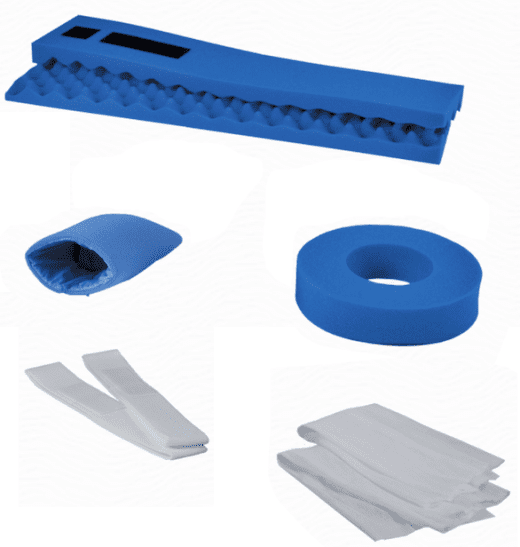
- Hana/ProFX Style Positioning Kit
A procedural kit designed to fit the Hana/ProFx table system, including key components like a donut headrest, arm boards, straps, and protective covers. This is a practical option when your goal is standardization—consistent room setups, consistent staff expectations, and fewer missing components.
Quick buying guide: how we help facilities choose the right patient positioning equipment
When you’re selecting surgical positioning devices and accessories, here are the filters we recommend using first (because they prevent the most expensive mistakes):
- Procedure & position: beach chair, lithotomy, lateral, supine, prone, “off the end,” etc.
- Table compatibility: rail type, clamp style, required sockets/adaptors, and intended table models (especially for specialty extensions)
- Imaging requirements: radiolucent surfaces/components for fluoro and C-arm workflows
- Adjustability & repeatability: range of motion is great—repeatable indexing and easy resets are even better
- Cleaning & turnaround: wipe-clean surfaces, removable pads, and storage carts can significantly impact throughput
- Staff ergonomics: lift-assist and simplified adjustments reduce physical strain across high-volume days
Who benefits most from upgrading patient positioning equipment?
We see the biggest ROI when facilities are in one (or more) of these situations:
- ASCs scaling case volume and trying to reduce turnover time
- Hospitals standardizing rooms across different service lines and surgeon preferences
- Ortho / sports medicine teams doing high volumes of knee and shoulder procedures
- Pain management and interventional suites where imaging and access are constant constraints
- Urology programs that need table extensions and imaging-friendly accessories
- Hand surgery and upper extremity specialists building consistent traction workflows
FAQ: Patient positioning equipment
Do radiolucent positioning accessories really matter?
Yes—especially in C-arm and fluoro workflows. Radiolucent accessories help reduce imaging interference and can limit the need to reposition equipment mid-procedure.
Should we buy one universal system or specialty devices?
If you’re a mixed-case facility, it often makes sense to build a core “standard room kit” (head support, arm support, clamps, basic positioning) and then add specialty devices for high-volume lines (shoulder beach chair positioning, knee arthroscopy positioning, spine injection positioning, etc.).
Can patient positioning equipment help with turnover?
Absolutely. Standardized kits and storage/transport solutions (like dedicated carts) reduce missing components and speed up setup, teardown, and room reset.
Let’s get your positioning setup right
At Auxo Medical, we don’t just list equipment—we help you match patient positioning products to your procedures, your room constraints, and your workflow goals. If you’re building a new OR/ASC room, expanding an ortho program, or upgrading imaging-friendly positioning for a pain suite, start here:
Browse Patient Positioning Equipment or contact us and tell us what procedures you run, what tables you’re using, and what you want to improve (speed, imaging access, standardization, staff ergonomics, or all of the above).
-
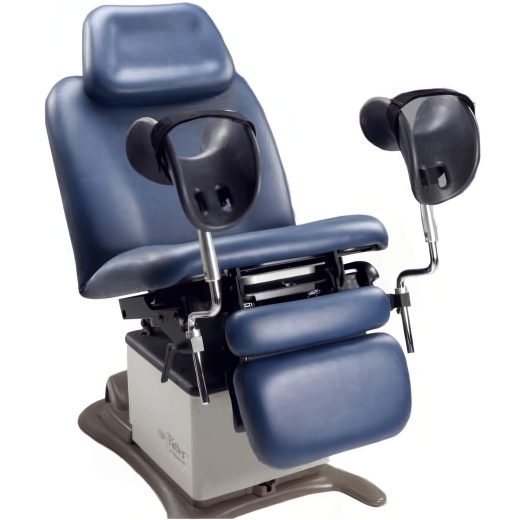
Midmark Articulating Knee Crutch System
The Midmark Articulating Knee Crutch System (Part number 9A411002) offers a flexible and adjustable solution for supporting patients' knees and legs during examinations on Ritter 230 or Midmark 630 procedure tables. The system includes a bracket set and two knee… -
Midmark Standard Knee Crutch System
The Midmark Standard Knee Crutch System (Part number 9A410002) is a versatile support accessory designed for use with Ritter 230 and Midmark 630 procedure tables. Specifically intended to support patients' knees and legs during examinations, this latex-free system enhances patient… -
Knee Bolster Pad for Smith & Nephew T-max (BB-WEDGE-2718505)
$995.00 The Knee Bolster Pad for Smith & Nephew T-max (BB-WEDGE-2718505) is a versatile, reusable knee positioning wedge designed for a wide range of procedures. Measuring 27" in length and 18" in width, it rises to 7" at the highest point… -
Allen Yellofin Lift-Assist Stirrups (OEM# O-YFASI)
The Allen Yellofin Lift-Assist Stirrups (Hill-Rom/Allen OEM#: O-YFASI) are designed to enhance patient safety and ease of use during a variety of surgical procedures, including GYN, urological, laparoscopic, robotic, and colorectal procedures. These stirrups utilize patented Lift-Assist™ technology to neutralize… -
Surgical Peg Board Positioner System for Lateral Positioning 50in
The Surgical Peg Board Positioner System for Lateral Positioning is an essential tool in medical settings, designed to enhance patient safety and comfort during surgical procedures. This comprehensive system includes a peg board measuring 47 inches in length, 19 inches… -
Mayfield Headrest – Basic Headrest
The Mayfield Headrest - Basic Headrest is expertly designed to offer superior cranial stabilization in both prone and supine positions, ensuring optimal patient comfort and safety during medical procedures. It features both lateral and vertical mobility, allowing for precise positioning… -
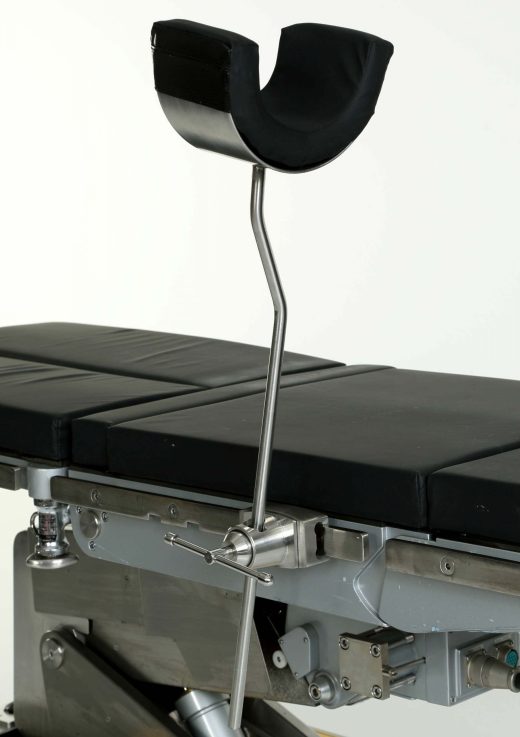
Steris Narrow Headrest Lightweight, Radiolucent Head Support
BF592- The radiolucent, Narrow Headrest with its elongated tapered edge provides easier temporal and over-the-brow access to head area for ophthalmic, ENT, neuro and plastic surgery. This fixed height headrest fits into the STERIS surgical table's back section or leg… -
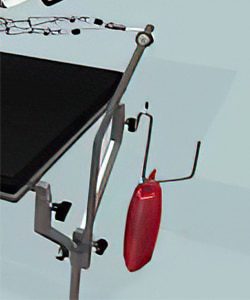
Smith & Nephew T-max Storage Rolling Cart (OEM: 7210553)
Smith & Nephew T‑MAX Cart (OEM/Catalog #7210553) is the dedicated storage and transport cart for the T‑MAX Beach Chair shoulder positioning system. The cart includes purpose-built storage points—front hook for the lift system release handle, cylinder rests, side storage hook for… -
Smith & Nephew Tenet T-max Non Operative Armboard (PN:7210559)
The Smith & Nephew Tenet T-max Non Operative Armboard, with part number 7210559, represents a pivotal innovation in patient care and comfort during various medical procedures that do not require surgery. This specialized armboard is designed to enhance the stability… -
Total Knee Stabilizer Leg Support
Total Knee Stabilizer Leg support Stainless steel adj. 16in flat rod w/ 10inL support bar covered with 3.5india foam pad Helps support legs for total knee replacement procedures. Constructed of stainless steel and polyoxy-methylene for ultimate support. Top portion is… -
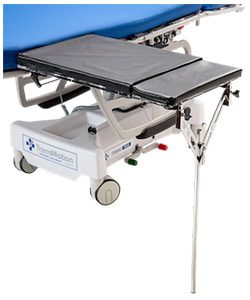
TransMotion Medical Carter Hand Surgery Table
ONLY FOR TRANSMOTION MEDICAL CHAIRS The TransMotion Medical Carter Hand Surgery Table (#TMA87-15) comes complete with a height adjustable leg, 1" foam pad, traction, and carrying case. Developed by Doctor Peter Carter, this top-of-the-line table is radiolucent, height adjustable, and… -
Spine Positioning System II 8 Piece System
An integral component of the pain management suite. Improves visualization of the necessary anatomic landmarks for safe and accurate spinal injections. Solves imaging, stability, and patient comfort issues associated with spine procedures. The design provides greater visualization of the cervical,… -
Carbon Fiber Arm Board 6in wide- 2in Pad
Fully radiolucent. 180º range of motion. Comes with a removable pad. Requires no mounting or attachment hardware - slides under the tabletop pad. Compatible with any model Pain Management C-Arm table. Folds together for safe and compact storage. Slides under… -
Carbon Fiber Arm Board 6in wide- 1in Pad
Fully radiolucent. 180º range of motion. Comes with a removable pad. Requires no mounting or attachment hardware - slides under the tabletop pad. Compatible with any model Pain Management C-Arm table. Folds together for safe and compact storage. Slides under…