Scrub Sinks: The “Must Have” for any Medical Practice
Scrub Sinks – The Unsung Heroes of Hygiene in Medical Settings
What is a Scrub Sink?
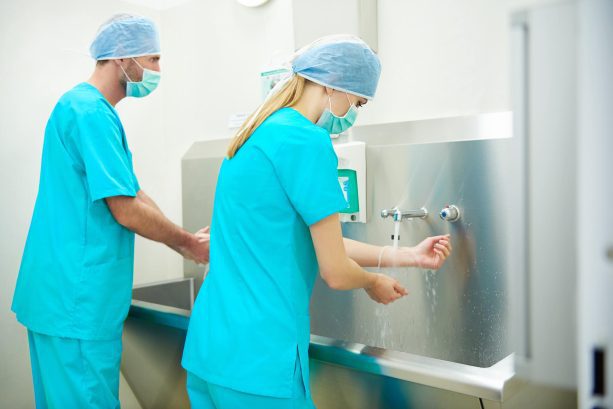
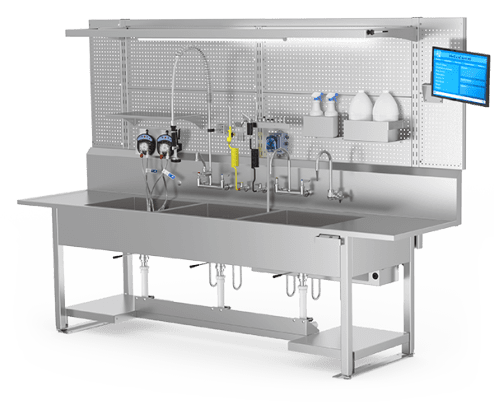
A scrub sink is a specially designed sink used for medical personnel to wash their hands and forearms before and after surgical or medical procedures. It is a crucial part of infection control in medical settings, helping prevent the spread of harmful bacteria and viruses.
The Importance of Scrub Sinks in Medical Settings
Scrub sinks play a significant role in maintaining hygiene and preventing healthcare-associated infections (HAIs). HAIs emerge as a result of inadequate hand hygiene practices by healthcare professionals, leading to an introduction of pathogenic microorganisms into the medical environment. Scrub sinks address this issue by providing healthcare professionals with a convenient and adequate means of hand hygiene before and after invasive procedures.
Features of Scrub Sinks
Scrub sinks are made up of non-corrosive stainless steel and feature touchless operation to minimize the risk of cross-contamination. Typically, scrub sinks come with a foot pedal or motion sensor, which facilitates hands-free usage, reducing the likelihood of infections caused by touching contaminated surfaces. Scrub sinks also come with unique drainage systems that prevent the backflow of wastewater into the clean water supply.
Why Scrub Sinks are a Vital Component of Any Medical Practice’s Infection Control Arsenal
The Role of Scrub Sinks in Preventing HAIs
As previously mentioned, proper hand hygiene is essential in preventing the spread of HAIs. A scrub sink is an effective instrument in ensuring medical personnel comply with proper hand hygiene measures. Scrub sinks help reduce the likelihood of infections by providing healthcare professionals with the equipment needed to cleanse their hands and forearms effectively.
Hygiene Standards and Regulations
Medical practices are required to follow strict hygiene standards and regulations set by governing bodies to ensure patient safety is maintained. Scrub sinks are a critical component of meeting these standards. Medical practices must have scrub sinks that meet clinical standards and regulations, with their use being a requirement of many accreditation standards such as JCAHO, AAAHC, and AOA.
A Component of Overall Infection Control Strategies
Effective infection control in medical practices requires a comprehensive approach that includes various measures such as sterilization, disinfection, and hand hygiene. Scrub sinks are an essential component of this approach. Medical practices need to have a scrub sink installed and be diligent in ensuring that they are correctly utilized to prevent the spread of infections.
The New Song for the Unsung Heroes
Scrub sinks are truly vital in medical settings, contributing significantly to the prevention of infections and writing a continuing new verse in the battle hymn of healthcare. They offer healthcare professionals an effective means of hand hygiene and play a vital role in overall infection control measures. Medical practices that prioritize infection control and patient safety should include scrub sinks as part of their infection control arsenal. If you are in need of new scrub sinks contact Auxo Medical to secure your unsung healthcare hero today.
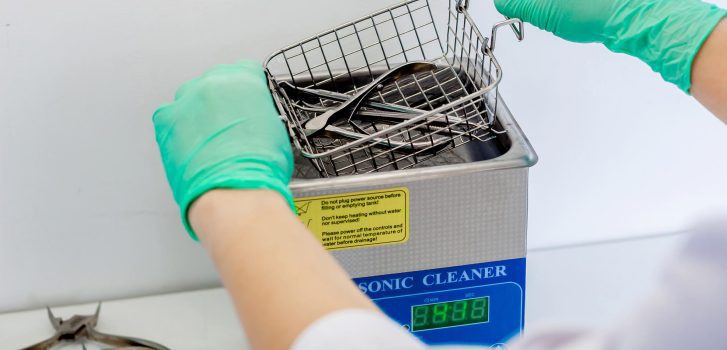
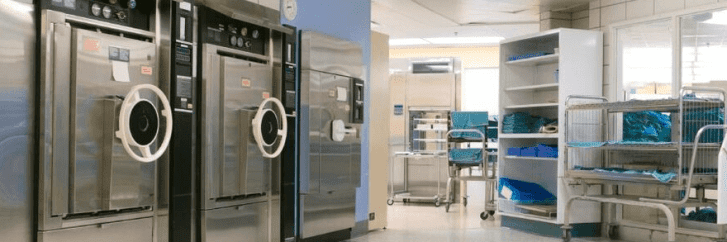
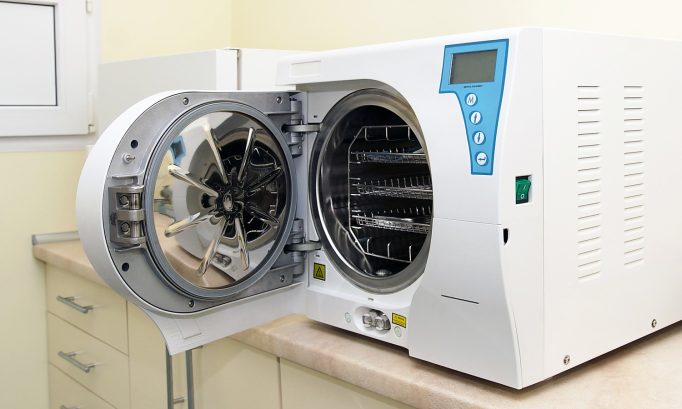
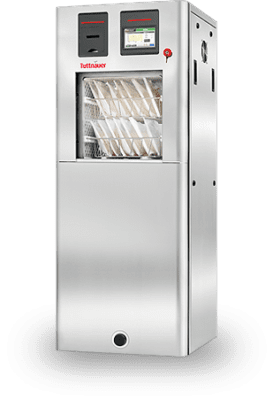 Chemical sterilizers kill bacteria and viruses on medical equipment. The most common chemicals used in these sterilizers are Ethylene oxide and Hydrogen peroxide gas plasma. Chemical sterilizers are a good option for instruments that cannot withstand heat or pressure from an autoclave. They are also eco-friendly because they use less water and energy than autoclaves.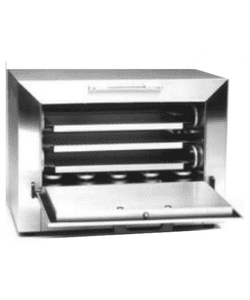
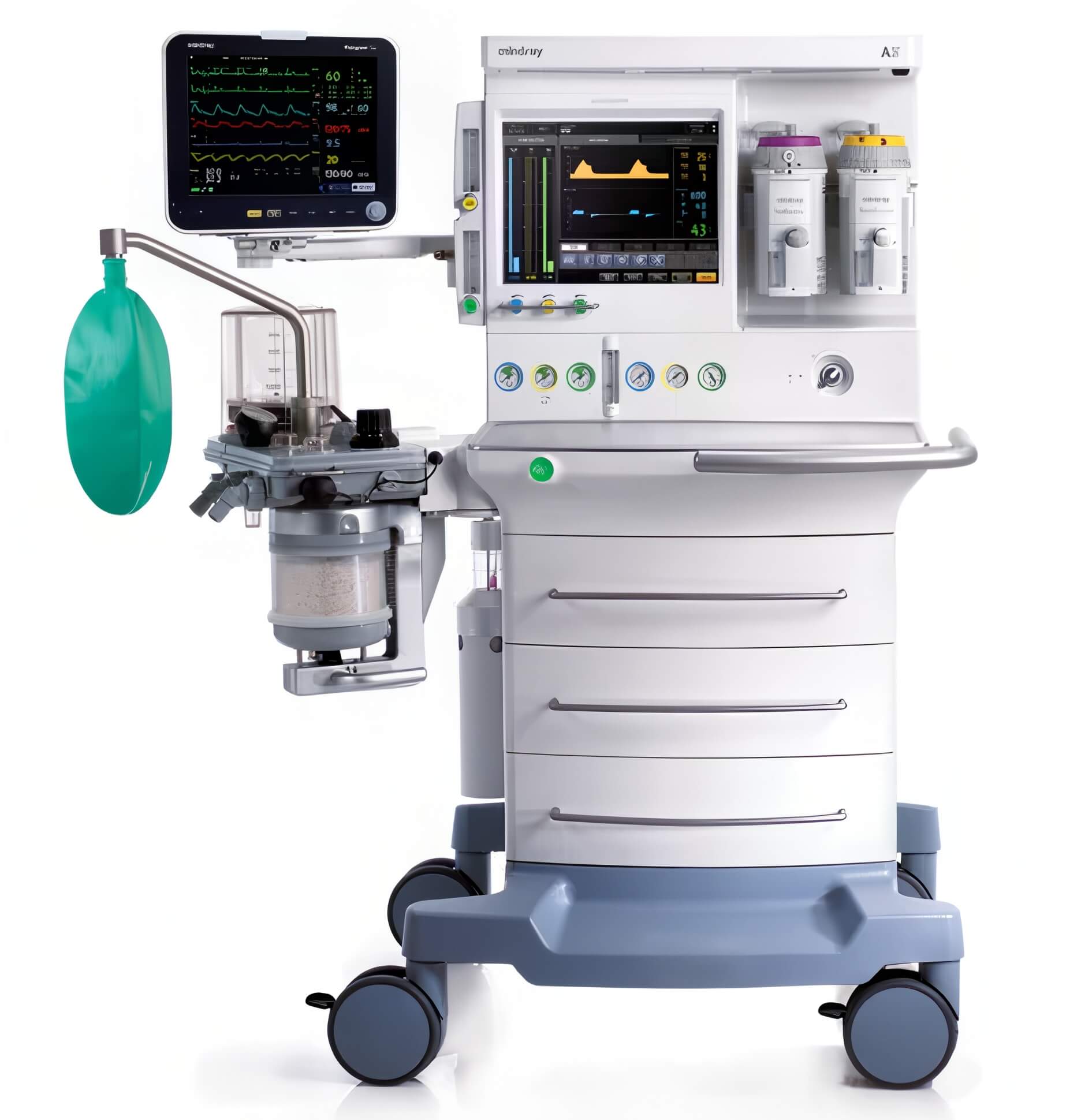 Are you in need of reliable and safe anesthesia equipment repair and preventative maintenance services? Look no further than Auxo Medical! We offer a broad range of services – from inspection to comprehensive maintenance plans – to ensure your anesthesia equipment is in proper working condition.
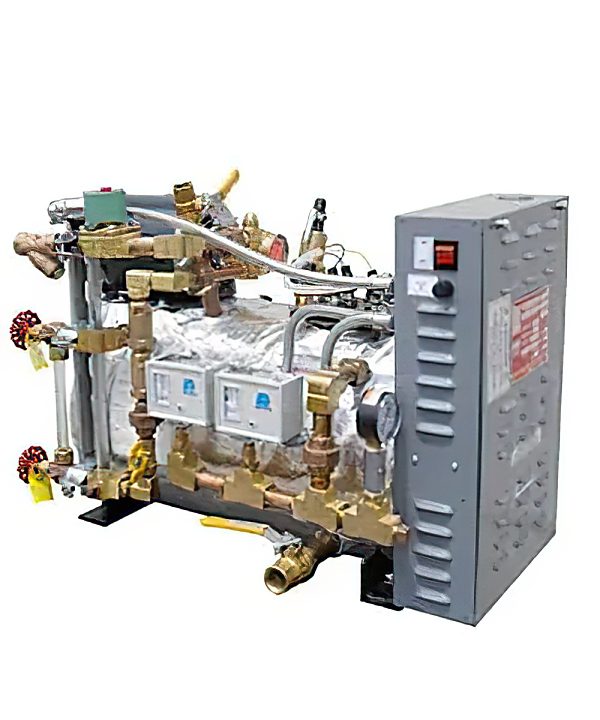 As a medical facility, you understand how important it is to maintain a clean environment for your patients and staff. Sterilizing medical equipment and surfaces is a crucial step in preventing the spread of infections and diseases. To achieve this, you need reliable and efficient equipment, including steam generators.