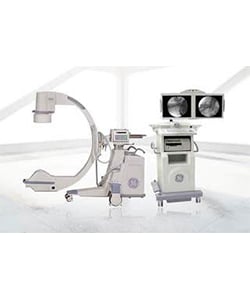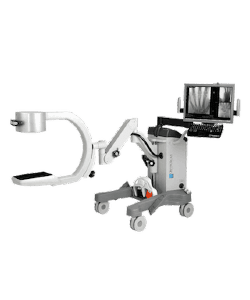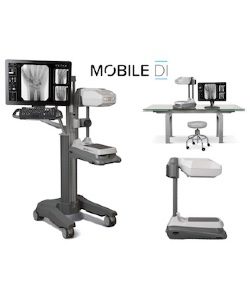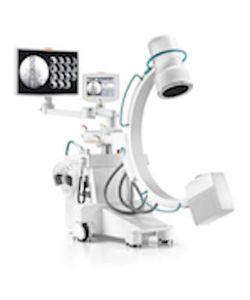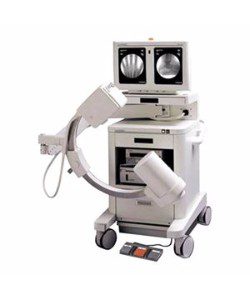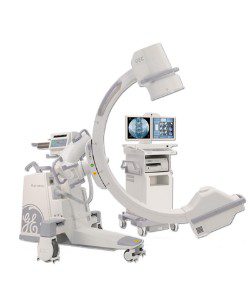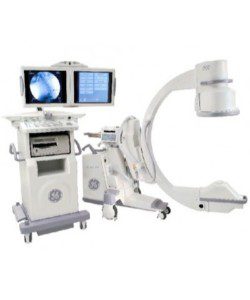
C-Arm Machines for Sale: New and Refurbished Mobile C-Arms from Auxo Medical
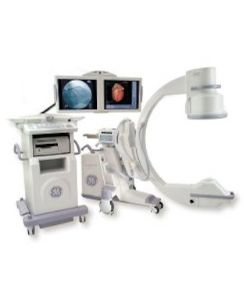
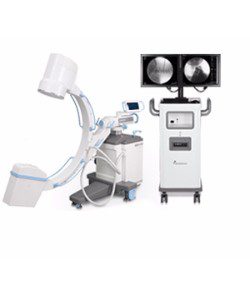
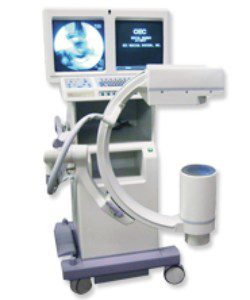
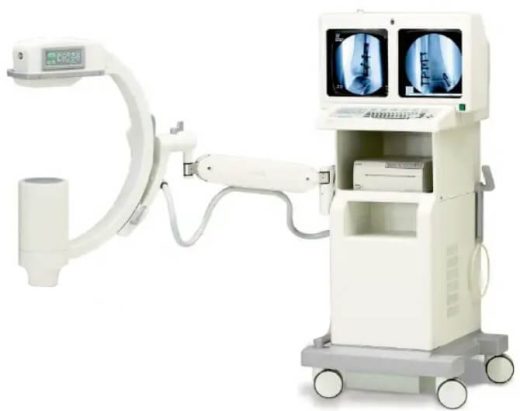
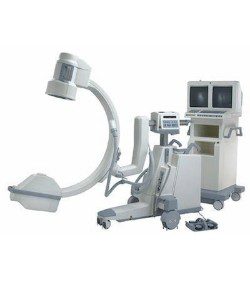
When you’re searching for a C-arm for sale, you’re not just buying imaging equipment — you’re investing in surgical confidence, workflow speed, and consistent image quality in the OR. At Auxo Medical, we stock C-arms because they’re an essential part of surgical day-to-day operations, delivering high-resolution fluoroscopic imaging that supports fast, accurate decisions during procedures. We focus on proven systems (including OEC and Genoray) and we offer brand new, reconditioned, and refurbished options so you can match performance to budget without compromising on clinical needs.
Below, we break down how to choose the right mobile C-arm, what features actually matter in real-world cases, and a curated sample of C-arm systems and related accessories currently listed in our C-Arms catalog.
What a C-Arm Does (and Why Choosing the Right One Matters)
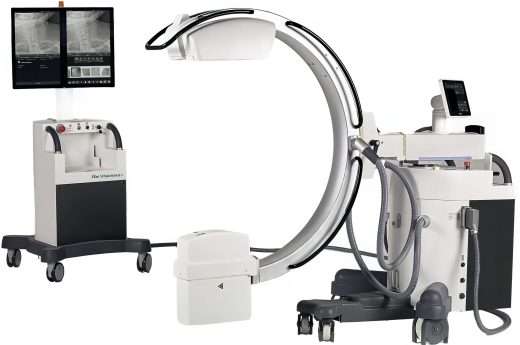
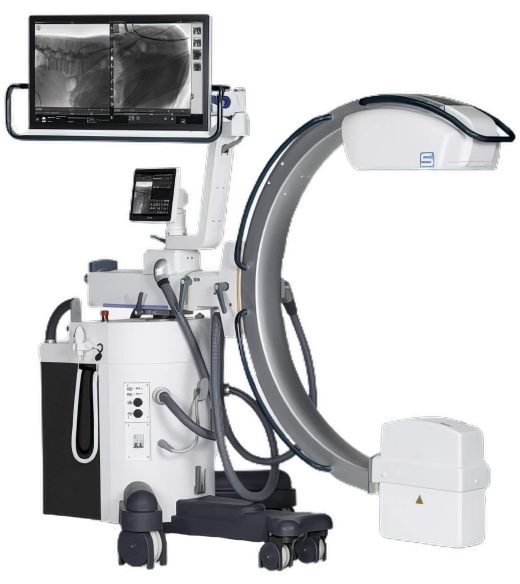
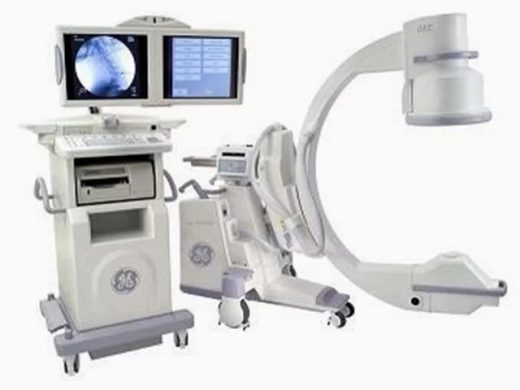
A C-arm is a mobile fluoroscopy imaging system that provides real-time X-ray visualization during procedures. In practice, the “right” C-arm helps your team:
- Position faster and reduce “re-shoot” frustration with consistent image clarity
- Support minimally invasive techniques with live imaging and easy angles around the table
- Improve day-to-day efficiency with intuitive controls, storage, and workflow tools
- Manage radiation exposure through modern dose features and smarter imaging modes
Because C-arms sit at the intersection of clinical performance, room logistics, and long-term serviceability, the best choice is usually the one that fits your specialty mix, case volume, and staffing realities — not just the one with the biggest spec sheet.
New vs Reconditioned vs Refurbished C-Arms: How We Think About Value
In our C-Arms catalog, you’ll see equipment listed across condition types, including brand new, reconditioned, and refurbished options. Here’s a practical way to compare them:
- Brand new can be ideal for teams that want the latest platform, long runway, and standardized fleet planning.
- Reconditioned often targets a “best of both worlds” balance: strong performance with meaningful cost control.
- Refurbished is a common choice for ASCs, specialty clinics, and hospitals expanding capacity — especially when you want a proven model with a clear upgrade path.
We help facilities select a configuration that matches the work you actually do — orthopedic surgery, pain management, vascular access, urology, GI, and more — and we’ll talk through room constraints, imaging expectations, and service planning before you commit.
How to Choose the Best Mobile C-Arm for Your Facility
Detector Type: Flat Panel vs Image Intensifier
A major decision point is whether you want a flat panel detector system or an image intensifier based system.
- Flat panel detector C-arms are often chosen for modern workflow, crisp imaging, and advanced dose and positioning features. They’re especially attractive for demanding surgical environments.
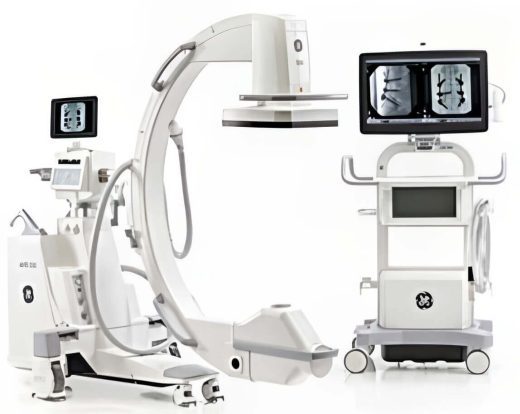
- Image intensifier C-arms remain popular because they’re familiar, proven, and widely supported — a strong fit for many general surgery and orthopedic workflows.
Full-Size vs Mini C-Arm
If your imaging needs are focused on extremities (hands, wrists, feet, ankles), a mini C-arm can be a smart, space-friendly choice. If you need broader anatomy coverage and full fluoroscopy capability for common OR procedures, a full-size C-arm is typically the better fit.
Software Packages and Procedure Fit
Many systems are configured around procedure types (for example, general surgery packages versus vascular-oriented options). If your case mix includes vascular work, pain management, or high-volume orthopedic imaging, choosing the right package can have a bigger day-to-day impact than small spec differences.
Workflow Features That Matter in the OR
When teams tell us a C-arm “just works,” it usually comes down to practical workflow wins like clear positioning cues, fast setup, intuitive UI, strong image tools, and consistent results across users and shifts.
Featured C-Arm Systems and Accessories from Our Current Catalog
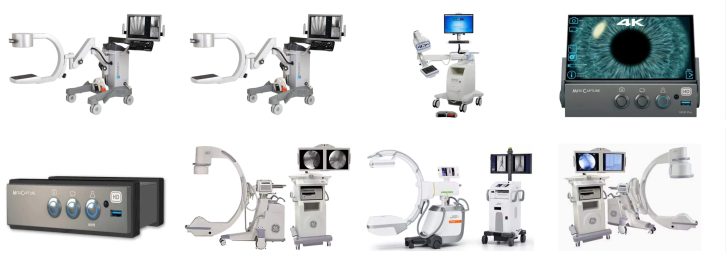
Here’s a representative sample of C-arms and C-arm-adjacent recording accessories currently listed in our C-Arms category. Availability can change, so the fastest path is to open the product page and request a quote.
Premium and Flat Detector Mobile C-Arms
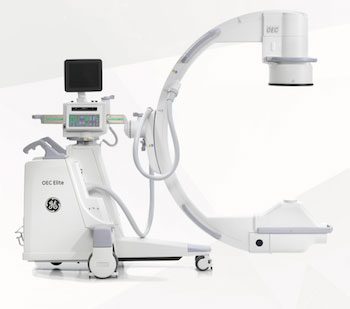
- OEC GE OEC ELITE CFD 31cm Flat Detector Super C-Arm – VAS 15 Software Vascular Package
A flat panel detector based OEC Elite CFD configuration designed for advanced mobile imaging with planning and workflow tools geared toward high-demand procedural environments. - Philips Veradius Unity Flat Detector C-Arm
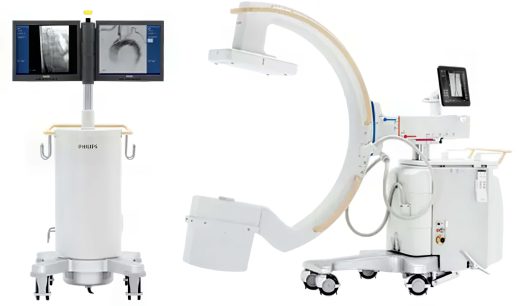
A flat detector C-arm platform focused on surgical precision and efficient positioning, including workflow features like Position Memory and dose feedback tools. - Siemens Cios Alpha C-arm with Vascular Package
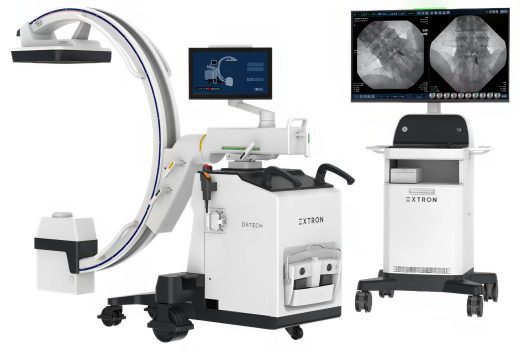
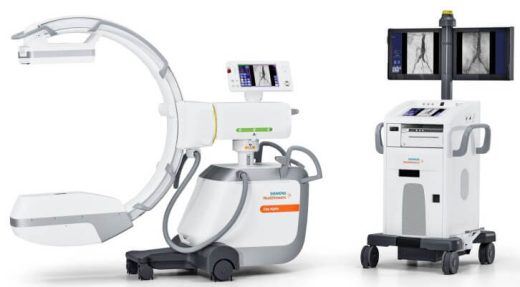
A compact, mobile flat detector C-arm designed for fluoroscopy and single-image acquisition across multiple surgical specialties, including vascular-oriented use cases. - EXTRON 5 Premium C-Arm 30×30 Flat Detector
A DRTECH flat-panel C-arm option positioned as a low-dose, high-end imaging solution for demanding surgical environments, paired with a large 4K monitor workflow. - Fuji Persona CS Compact C-arm with 21cm Cesium Flat Panel Digital Detector
A compact surgical C-arm built around a cesium iodide flat panel detector, designed for fast positioning and strong image quality across minimally invasive workflows.
Proven Image Intensifier Mobile C-Arms
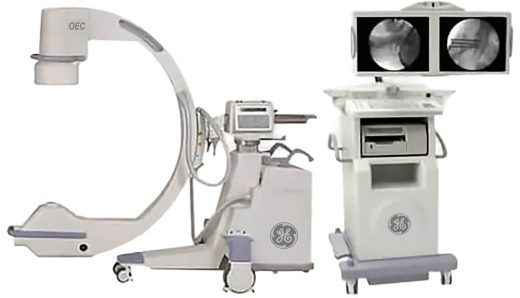
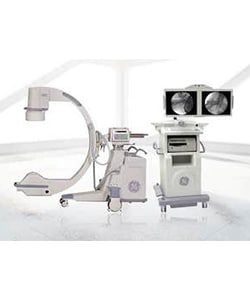
- OEC 9900 Elite C-Arm, 12” with Vascular Package
A vascular-configured OEC 9900 Elite setup built around an image intensifier workflow, aimed at teams that want strong imaging performance in interventional-style cases. - OEC 9900 C-Arm, 12” Elite with General Surgery Package
A general surgery focused OEC 9900 Elite configuration for full-size mobile fluoroscopy needs in busy surgical environments. - OEC 9800 with 9″ Image Intensifier and ESP Package
A widely recognized OEC platform for mobile fluoroscopy applications, paired with an expanded surgery oriented package for broad procedural coverage. - OEC 9800 with 12″ Image Intesifier and ESP Package
A full-size OEC 9800 configuration built around a larger image intensifier workflow, often selected when teams want familiar operation and strong procedural versatility. - Ziehm Solo 9 in C-Arm
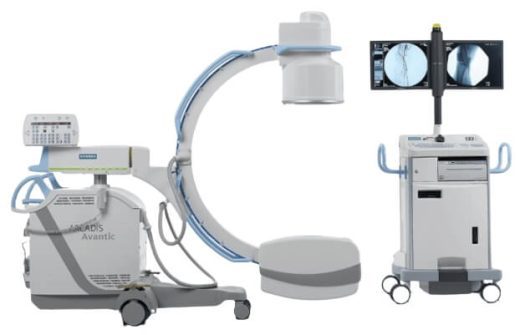
A compact C-arm option with an integrated monitor, designed for crowded treatment environments such as pain management and orthopedic applications. - Siemens Arcadis Avantic C-Arm 13” II
A full-size Siemens C-arm platform commonly associated with flexible imaging workflows and options that support a wide range of procedural imaging needs. - Genoray Z7000
A full-size C-arm option positioned for pain management clinics, surgery centers, and hospitals that want a feature-forward platform with a straightforward interface.
Mini C-Arms for Extremity Imaging
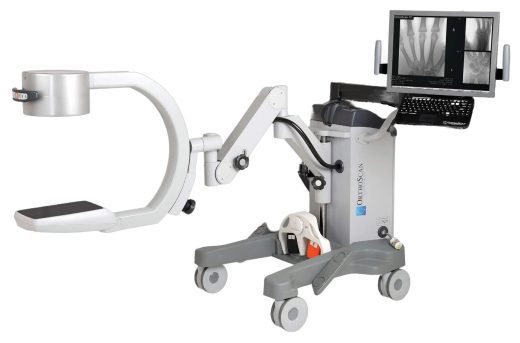
- OEC 6800 MiniView C-Arm
A mini C-arm option noted for touchscreen operation and image processing features designed to support clearer visualization in extremity workflows. - OEC 6600 Mini C-Arm
A portable mini C-arm platform designed for extremity imaging needs when space, mobility, and simplicity matter. - Orthoscan Pulse Mini C-Arm with Flat Detector
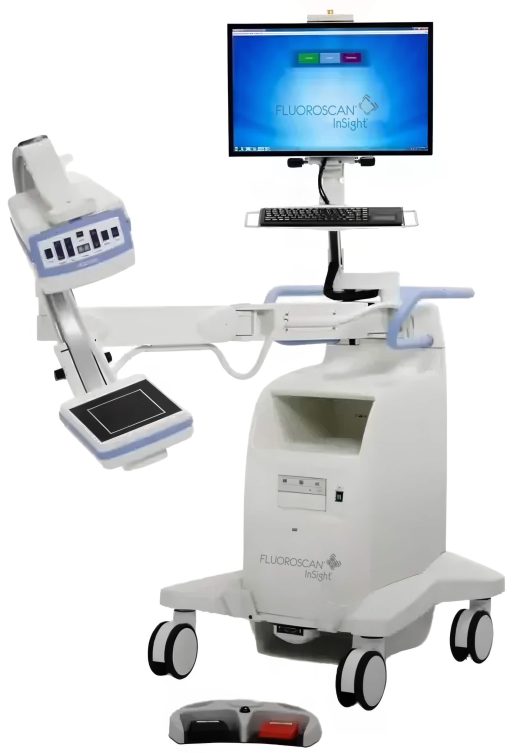
A mini C-arm with a flat detector approach and pulsed fluoroscopy, designed to support strong image quality and diagnostic confidence in extremity imaging. - Hologic Floroscan InSight FD Mini C-arm
A mini C-arm built around a thin-profile flat detector design for maneuverability, with features that support flexible positioning and efficient imaging. - Hologic Fluoroscan Premier Encore Mini C-Arm
A mini C-arm option focused on ease of use and productivity, supporting a range of magnification and imaging modes for extremity work.
C-Arm Video and Image Recording Accessories
If your goal includes teaching, documentation, case review, or capturing outputs from imaging sources in the room, dedicated medical recorders can make the process cleaner and more consistent.
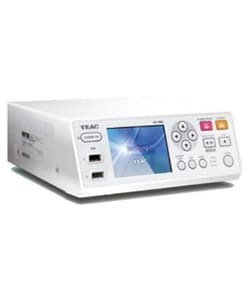
- TEAC UR-4MD Medical Video Recorder
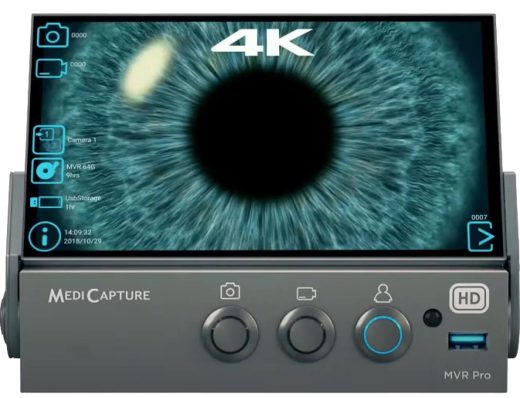
A medical video recording device built for quick setup and straightforward use when capturing Full HD video in clinical environments. - MediCapture MVR PRO 409 (Medical Video Recorder)
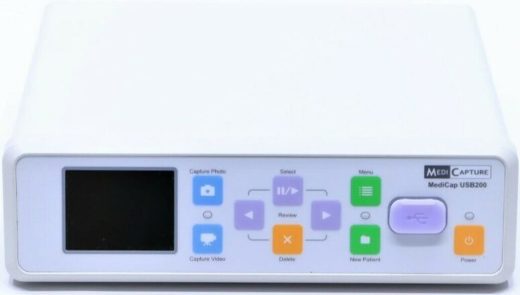
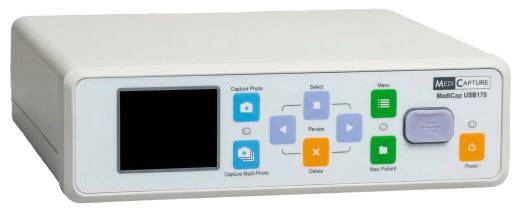
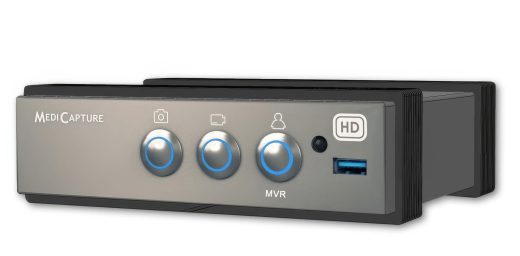
A recording solution designed for operating rooms with multiple control options, including touchscreen operation and app-based remote control. - MediCapture Medicap USB 200 Medical Image Recorder
A USB-based recording device designed to simplify capturing and storing medical images and clips without building complex recording workflows.
What You Get When You Source a C-Arm Through Us
Buying a mobile C-arm is rarely just a transaction. It’s a project — one that affects surgeons, techs, administrators, and patients. We help you get the details right, including matching the system to your procedure mix and ensuring you have the documentation and support path you need.
- Quote-based purchasing support so you can align configuration, condition, and expectations
- Clear next steps through our product-specific quote request forms
- Practical guidance on choosing packages and options that actually fit your day-to-day cases
Some of our listed C-arm offerings also specify inclusions such as delivery and installation (by package), and some configurations call out documentation and warranty-related details directly on the product page. If those items are critical for your facility, we’ll help you confirm exactly what’s included for the system you’re considering.
Common Questions About Buying a C-Arm
What’s the difference between a full-size C-arm and a mini C-arm?
Full-size C-arms are typically selected for broader surgical use and general mobile fluoroscopy needs. Mini C-arms are often chosen for extremity imaging where compact size and fast positioning are priorities.
Should I choose a flat panel detector C-arm?
If your environment demands modern imaging workflow, advanced positioning tools, and a premium imaging experience, a flat panel detector C-arm can be a strong fit. For many facilities, image intensifier systems remain an excellent choice due to familiarity and wide support.
Do you offer multiple conditions (new, reconditioned, refurbished)?
Yes. Our C-Arms catalog includes brand new, reconditioned, and refurbished equipment, giving you flexibility to match budget and performance goals.
How do I get pricing and availability?
Open any product above and use the “Request Quote” option on the product page. We’ll respond with availability, configuration details, and practical guidance so you can move forward with confidence.
Ready to Choose the Right C-Arm?
If you want help selecting a mobile C-arm that fits your specialty, case volume, and imaging expectations, we’re here to make the process simpler. Start by exploring our C-Arms catalog and requesting a quote on the models that match your needs. We’ll help you compare options and move toward a purchase that supports great imaging, smooth workflow, and dependable day-to-day performance.
Explore the Available C-Arms Here:
-
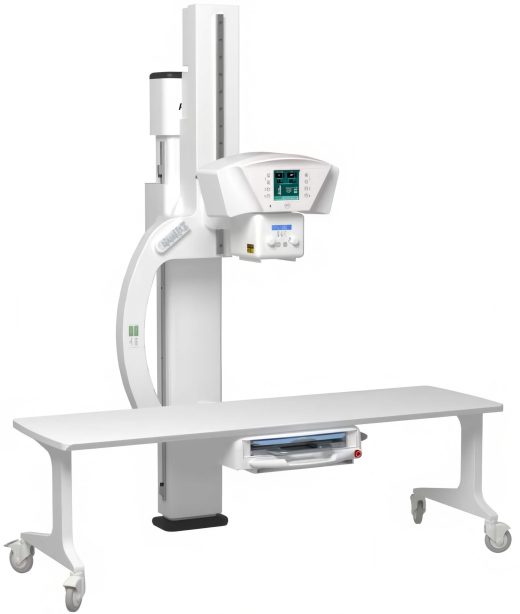
Fuji Digital Radiography U-arm System w/ 17×17 Detector and FDX Console Workstation
The Fuji Digital Radiography U-arm System with 17x17” detector and FDX Console Workstation offers a versatile, space-saving solution ideal for various clinical environments. Featuring the fully motorized Persona U, this single-detector DR system simplifies positioning with an innovative design that… -
Fuji Persona C Compact C-arm with 30cm Cesium Flat Panel Digital Detector
The Fuji Persona C Compact C-arm with 30cm Cesium Flat Panel Detector is an advanced, versatile imaging system optimized for fast, precise positioning in a wide range of diagnostic and minimally invasive procedures. Equipped with a high-resolution 30x30cm amorphous Silicon… -
Fuji Persona C HR C-arm with 30cm Flat Panel Digital Detector
The Fuji Persona C HR Mobile Fluoroscopy System with 30cm Flat Panel Digital Detector offers exceptional imaging capabilities tailored for complex vascular, orthopedic, and spine procedures. Combining high-power performance with a lightweight, maneuverable design, it features a robust 25 kW… -
Fuji Persona C Compact C-arm with 21cm Cesium Flat Panel Digital Detector
The Fuji Persona C Compact C-arm with 21cm Cesium Flat Panel Detector is an advanced fluoroscopy system designed for precise, high-quality imaging in minimally invasive procedures. Weighing approximately 280 kg (617 lbs) for the C-arm unit and featuring dual 21.5-inch… -
Fuji Persona CS Compact C-arm with 30cm Cesium Flat Panel Digital Detector
The Persona CS compact surgical C-arm is an advanced imaging platform designed for precise, high-quality visualization across a broad spectrum of minimally invasive procedures. Featuring a 30cm cesium iodide (CsI) flat panel detector, it offers multiple exposure modes—including ultra-low dose… -
OEC GE OEC ELITE CFD 21cm Flat Detector C-Arm – General Surgery Package
Experience precision and clarity in every procedure with the GE OEC Elite CFD 21cm Flat Detector C-Arm General Surgery Package. Building on the trusted GE OEC 9900 lineage, this sixth-generation system replaces the traditional image intensifier with a 21 cm… -
OEC GE OEC ELITE CFD 31cm Flat Detector Super C-Arm – General Surgery Software Package
The GE OEC Elite CFD 31 cm Flat Detector Super C-Arm combines the trusted GE imaging heritage with a modern 31 cm CMOS Flat Panel Detector and a 32" UHD 4K monitor to deliver sharper, larger, and more accurate surgical… -
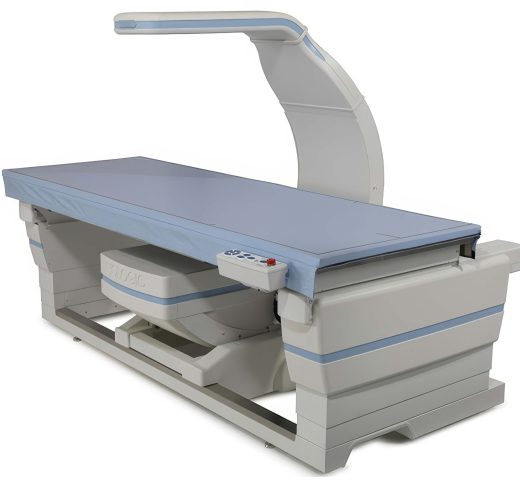
Hologic Horizon DXA System (W Model)
The Hologic Horizon DXA System (W Model) is a compact, high-performance bone density scanner designed for accurate, efficient measurements with minimal setup. Capable of supporting patients up to 500 lbs (227 kg), it features a 28-inch table height, 24-inch C-arm… -
MediCapture Medicap USB 200 Medical Image Recorder
$3,261.75 The MediCapture USB200 is the medical industry's easiest all-in-one digital video recording device, designed to seamlessly capture high-quality videos and still images directly onto any USB flash drive or optional hard drive—eliminating the hassle of DVDs. Compatible with ultrasounds, endoscopes,… -
EXTRON 5 Premium C-Arm 30×30 Flat Detector
The DRTECH EXTRON 5 Premium C-Arm with a 30x30 flat detector is a high-end, low-dose imaging solution designed for demanding surgical environments. It combines a 30x30 dynamic flat-panel detector with a 43" 4K monitor, a versatile monitor cart, and advanced… -
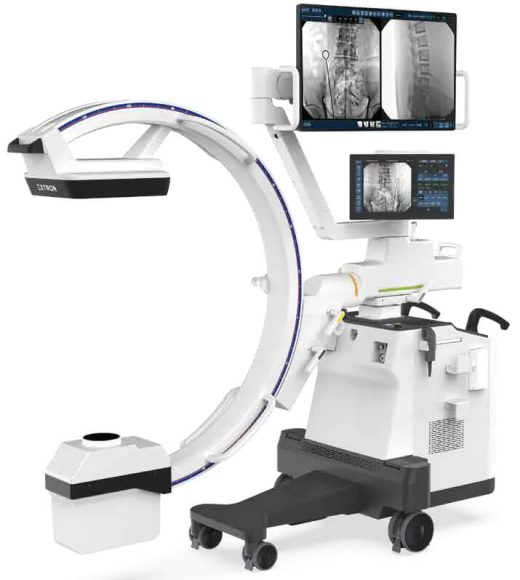
DRTECH EXTRON 5 Premium C-Arm 23×23 Flat Detector
DRTECH EXTRON 5 Premium C-Arm 23x23 Flat Detector is a top-tier, low-dose imaging system designed for demanding surgical environments where space and safety matter. It features a 23x23 dynamic flat-panel detector, a powerful 5 kW X-ray tube, and a 43"… -
MediCapture MediCap USB170 Medical Image Recorder
$3,261.75 The MediCapture MediCap USB170 is the medical industry’s most user-friendly and comprehensive image recording solution, designed to simplify the process of capturing and storing high-quality medical images. This rugged device records still images in standard definition directly from medical video… -
OEC 9800 C-Arm, 12” with Vascular Package & New Flat Panel Upgrade
The OEC 9800 C-Arm, 12” with Vascular Package & New Flat Panel Upgrade is a comprehensive imaging solution designed to enhance vascular and surgical procedures with advanced technology and versatile features. This system includes a dedicated Vascular Surgery Software Package,… -
Philips Veradius Unity Flat Detector C-Arm
The Philips Veradius Unity Flat Detector C-Arm is a cutting-edge mobile imaging solution designed to enhance surgical precision and efficiency. Key features include a wireless foot switch, accurate repositioning with Position Memory, and Dose Aware real-time dose feedback, along with… -
OEC GE OEC ELITE CFD 31cm Flat Detector Super C-Arm – VAS 15 Software Vascular Package
The GE OEC Elite CFD 31cm Flat Detector Super C-Arm, equipped with VAS 15 Software and a Vascular Package, represents the pinnacle of mobile imaging advancements, evolving from the renowned GE OEC 9900. This sixth-generation GE OEC C-arm distinguishes itself… -
OEC GE OEC ELITE CFD 21cm Flat Detector C-Arm – VAS 15 Software Vascular Package
The GE OEC Elite CFD 21cm Flat Detector C-Arm with VAS 15 Software Vascular Package represents a significant upgrade in mobile imaging technology, building upon the legacy of the OEC 9900. This sixth-generation C-arm replaces the traditional image intensifier with… -
OEC 9900 Elite C-Arm, 12” with Vascular Package
The OEC 9900 Elite C-Arm with a 12” image intensifier and Vascular Package is a powerhouse imaging solution designed for precision and efficiency. Equipped with features like DICOM 3.0, a tri-mode image intensifier, and advanced 1kx1kx16 bit digital image processing… -
Orthoscan Pulse Mini C-Arm with Flat Detector
The OrthoScan Pulse Mini C-Arm with a Flat Detector represents a significant advancement in medical imaging technology, offering unparalleled precision and image quality. This cutting-edge device introduces pulsed fluoroscopy and boasts the largest flat detector in its class, ensuring exceptional… -
Orthoscan OR Mini C-Arm with Flat Detector
The OrthoScan FD mini c-arm with a flat detector and OR Version is a cutting-edge imaging solution designed to enhance surgical efficiency and patient comfort. Its innovative 150° orbital rotation and compact design facilitate optimal positioning within the surgical environment,… -
Hologic Floroscan InSight FD Mini C-arm
The Hologic Floroscan InSight FD Mini C-arm is a sophisticated imaging device designed to enhance surgical precision and ease of use. Featuring a dual field flat detector with a thin profile, this mini C-arm offers exceptional maneuverability, with a 90-degree rotation… -
MediCapture MVR PRO 409 (Medical Video Recorder)
The MediCapture MVR PRO 409 is a highly advanced medical recording device designed specifically to meet the demanding needs of modern operating rooms. It allows for effortless control either directly from its front panel or remotely via an external monitor… -
OEC 9900 C-Arm, 9” with Vascular Package
The OEC 9900 C-Arm with a 9” image intensifier and a specialized vascular package represents a pinnacle in advanced imaging technology designed for a wide array of interventional procedures. This precision-engineered equipment is tailored to meet the intricate needs of… -
Siemens Cios Alpha C-arm with Vascular Package
Patient Ready Cios Alpha Cios Alpha is a high-end C-arm system with a dynamic flat detector for fluoroscopy and acquisition of single images. The compact, mobile system is designed for use in cardiovascular surgery, gastroenterology, urology, emergency surgery, orthopedics and… -
Fuji Persona CS Compact C-arm with 21cm Cesium Flat Panel Digital Detector
The Persona CS Compact Surgical C-arm, featuring a 21cm cesium iodide (CsI) flat panel detector, offers an advanced, versatile imaging solution optimized for fast, precise positioning and exceptional image quality across a wide range of minimally invasive surgeries. Designed with… -
Orthoscan Mini C-Arm Flat Detector
OrthoScan FD mini c-arm with a flat detector. This flat detector design and compact form factor allows optimal positioning in the surgical environment. Exceptional image quality by increased grayscale improves diagnostic accuracy. User-driven design allows optimal image quality with minimal… -
Hologic Insight II Mini C-arm
The Fluoroscan InSight 2 mini C-arm is an intuitive and easy-to-use, cost effective system designed specifically for the orthopedic and extremity imaging market. With high quality digital images, simplified operation and easy mobility, the system is the ideal choice for… -
OEC 9800 C-arm 12″ ii General Surgery Package
The OEC 9800 is the gold standard in mobile fluoroscopy applications and innovative X-ray imaging technology. Built on the leadership and experience of thousands of systems installed world-wide, GE has set a new standard in mobile C-arm imaging with the… -
OEC 9800 with 9″ Image Intensifier and ESP Package
The OEC 9800 is the gold standard in mobile fluoroscopy applications and innovative X-ray imaging technology. Built on the leadership and experience of thousands of systems installed world-wide, GE has set a new standard in mobile C-arm imaging with the… -
OEC 9800 with Super C-Arm and Dual High Res 16″ Monitors
The OEC 9800 is the gold standard in mobile fluoroscopy applications and innovative X-ray imaging technology. Built on the leadership and experience of thousands of systems installed world-wide, GE has set a new standard in mobile C-arm imaging with the… -
OEC 9800 C-Arm, 9″ Super C with GSP & Flat Panel Upgrade
The OEC 9800 is the gold standard in mobile fluoroscopy applications and innovative X-ray imaging technology. Built on the leadership and experience of thousands of systems installed world-wide, GE has set a new standard in mobile C-arm imaging with the… -
OEC 9600 C-Arms
The OEC 9600 Digital Mobile C-Arm provides great images with low dose exposure. The 9600 is maneuverable, is simple to operate, & provides large images. Originally manufactured between 1994-2000. [vc_btn title="Download Brochure" style="flat" shape="square" link="url:/wp-content/uploads/2017/06/OEC-9600-C-Arm-Auxo-Brochure.pdf ||target: _blank|" css=".vc_custom_1479498791367{margin-left: 5px !important;padding-right:…