
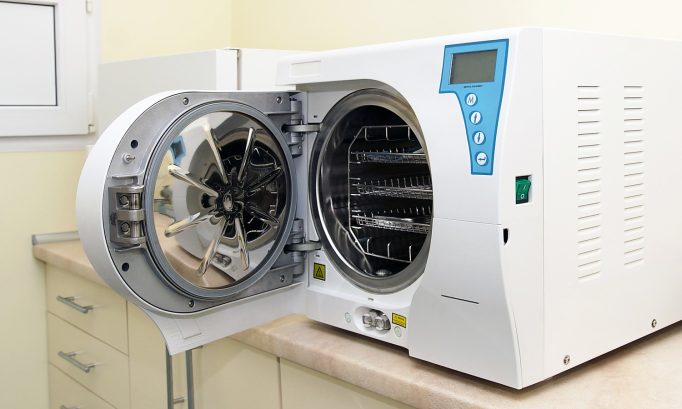
Looking for an Autoclave? Auxo Medical has it!
Autoclaves are an essential piece of equipment in the medical field. They are used to sterilize medical equipment, reducing the chances of cross-contamination and the spread of infectious diseases. Finding a reliable and efficient autoclave can be a daunting task. However, Auxo Medical has got you covered. In this article, we will discuss some top-brand autoclaves available at Auxo Medical.
Top Brand Autoclaves available at Auxo Medical
Tuttnauer Autoclaves
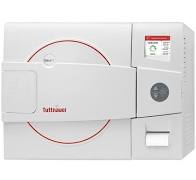
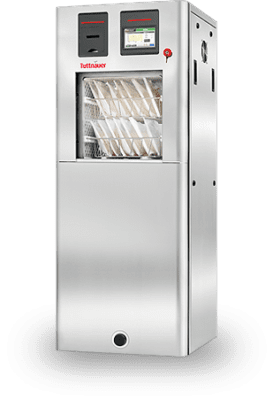
Tuttnauer is a renowned brand in the autoclave industry. Its autoclaves are well known for their efficiency and reliability. Auxo Medical provides a range of Tuttnauer autoclaves, including manual and automatic models that cater to the diverse needs of medical professionals.
The Tuttnauer autoclave is a reliable and efficient sterilization solution that offers a range of advanced features. Its advanced microprocessor control system ensures precise temperature and pressure control for optimal sterilization results. The autoclave also has a built-in printer for easy documentation and record-keeping. In addition, the Tuttnauer autoclave features a large chamber capacity and an intuitive user interface, making it easy to operate and maintain. Other features include a self-locking door, automatic chamber door shut-off, and a safety valve to prevent over-pressurization. Overall, the advanced features of the Tuttnauer autoclave make it a top choice for medical, dental, and laboratory applications.
Midmark Autoclaves
Midmark is another top brand in the autoclave industry. They offer a wide range of autoclaves that cater to dental, veterinary, and medical professionals. At Auxo Medical, you can find a range of Midmark autoclaves that offer high-performance, efficiency, and dependability.
Midmark autoclaves are known for their innovative features that make sterilization processes easier and more reliable. One of the standout features is the intuitive touch screen interface that allows for quick and easy programming and monitoring of the autoclave. The autoclaves also have a patented automatic-opening door that helps prevent heat-related injuries and makes unloading easier. Additionally, the built-in USB port allows for easy transfer of data and the ability to update the autoclave’s software. The Midmark autoclaves also have a variety of cycle options and a self-diagnostic system that helps ensure proper functioning and reduces downtime. These features, along with their high-quality construction, make Midmark autoclaves a great choice for medical and dental professionals.
Statim Autoclaves
Statim is a leading brand in the sterilization industry. Their autoclaves are known for their quality, speed, and reliability. At Auxo Medical, you can find a wide range of SciCan autoclaves, including pre-vacuum and non-vacuum models.
The Statim autoclave is a highly efficient and reliable sterilization tool that offers a variety of features. One of its most notable features is its speed, as it can sterilize instruments in just 6 minutes. It also offers a large capacity, with the ability to hold up to 10 pounds of instruments. The Statim autoclave utilizes a unique technology that reduces the risk of cross-contamination, as it does not require the use of a water reservoir. Additionally, it is designed to be user-friendly, with a simple interface and easy-to-use controls. Overall, the Statim autoclave is an excellent choice for any healthcare facility or dental office looking for a fast, efficient, and reliable sterilization solution.
Pelton & Crane Autoclaves
Pelton & Crane is a renowned brand in the dental industry. They provide a range of autoclaves that prioritize efficiency, reliability, and ease of use. Auxo Medical offers various Pelton & Crane autoclaves that cater to the diverse needs of dental professionals.
The Pelton & Crane autoclave is a reliable and efficient piece of equipment that boasts several impressive features. These features include a quick cycle time, a large chamber capacity, and a user-friendly interface. The quick cycle time allows for faster sterilization, while the large chamber capacity allows for larger instruments to be sterilized at once. The user-friendly interface makes it easy to monitor and control the sterilization process, ensuring that the equipment is easy to use for all staff members. Additionally, the Pelton & Crane autoclave has a built-in printer that can print cycle data for record-keeping purposes, making it a great choice for busy medical or dental offices. Overall, the Pelton & Crane autoclave is a high-quality and reliable piece of equipment that can meet the needs of any busy medical or dental practice.
Dri-Clave Autoclaves
Dri-Clave autoclaves are a type of sterilization equipment that uses high-pressure steam to kill germs and bacteria. They are widely used in medical and laboratory settings to ensure the safety of patients and researchers. The Dri-Clave autoclave is designed to be easy to use, with intuitive controls and a simple loading system. It also features a drying cycle that eliminates moisture, preventing the growth of mold and other microorganisms. This type of autoclave is highly effective at sterilizing a wide range of materials, including glassware, surgical instruments, and textiles. Overall, the Dri-Clave autoclave is an essential piece of equipment for any facility that values safety, cleanliness, and precision.
Cox Autoclaves
With a variety of sizes and features available, Cox autoclaves are suitable for a wide range of applications, from small clinics to large hospitals. Whether you need a basic model or a more advanced option with advanced monitoring and control features, we can help you find the right Cox autoclave to meet your needs. So if you’re looking for a reliable and affordable autoclave, be sure to check out our selection of Cox products today.
Order your next Autoclave from Auxo Medical
Auxo Medical has a wide variety of new and refurbished autoclaves and sterilizers. We also provide maintenance and repair to ensure your autoclaves perform at their peak efficiency. View our online catalogue here or contact us today for your customized quote.
 Chemical sterilizers kill bacteria and viruses on medical equipment. The most common chemicals used in these sterilizers are Ethylene oxide and Hydrogen peroxide gas plasma. Chemical sterilizers are a good option for instruments that cannot withstand heat or pressure from an autoclave. They are also eco-friendly because they use less water and energy than autoclaves.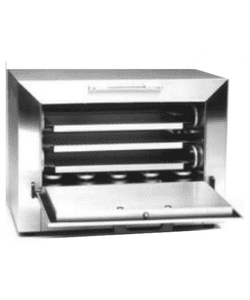
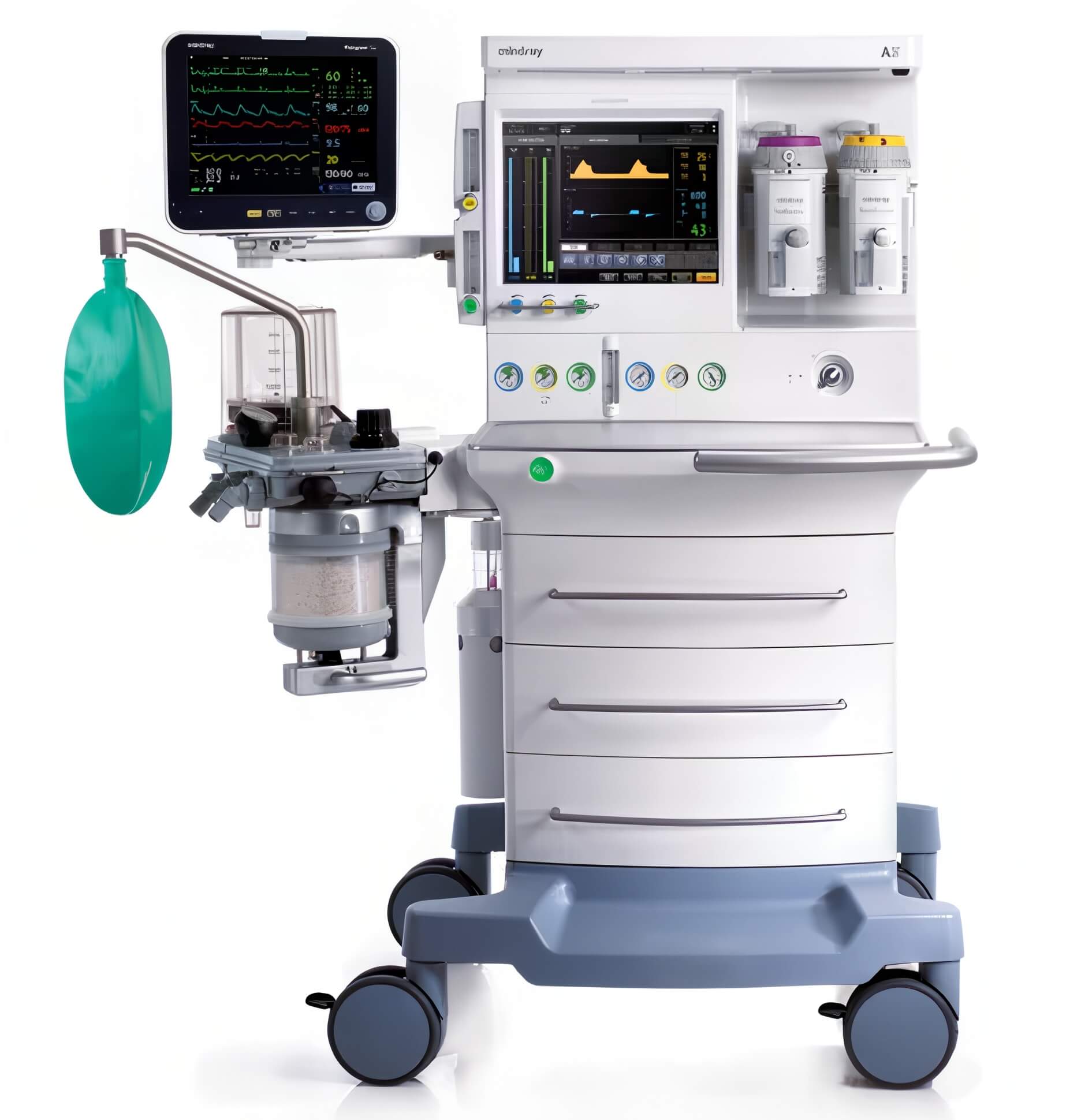 Are you in need of reliable and safe anesthesia equipment repair and preventative maintenance services? Look no further than Auxo Medical! We offer a broad range of services – from inspection to comprehensive maintenance plans – to ensure your anesthesia equipment is in proper working condition.
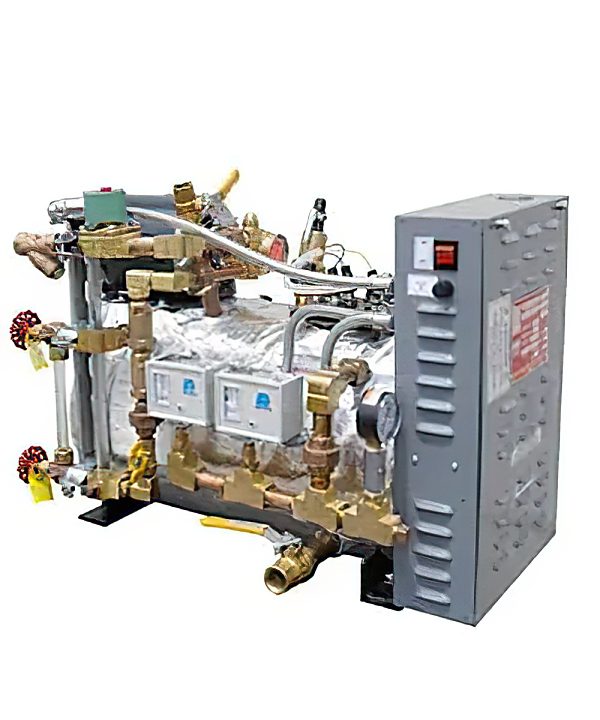 As a medical facility, you understand how important it is to maintain a clean environment for your patients and staff. Sterilizing medical equipment and surfaces is a crucial step in preventing the spread of infections and diseases. To achieve this, you need reliable and efficient equipment, including steam generators.
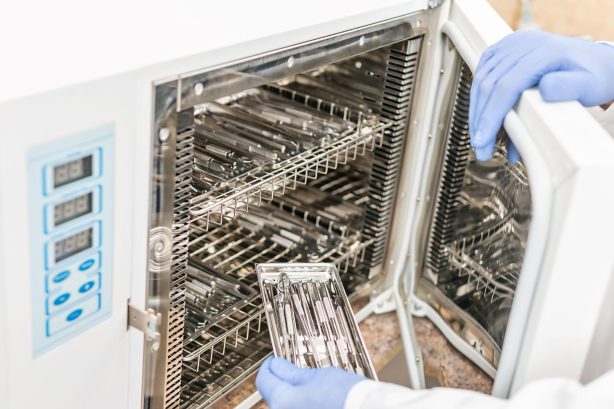
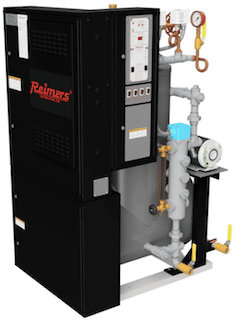 For those in charge of Sterile Processing Departments or medical equipment purchasing, finding the right steam generator or boiler for your facilities sterilization equipment bay be daunting. Auxo Medical is here to help. Our selection of new and refurbished steam generators are built with quality and reliability in mind, and they offer a wide range of features that make them ideal for a variety of medical uses. Our experienced and knowledgeable staff can help assist in providing the right systems for any size facility or department.