
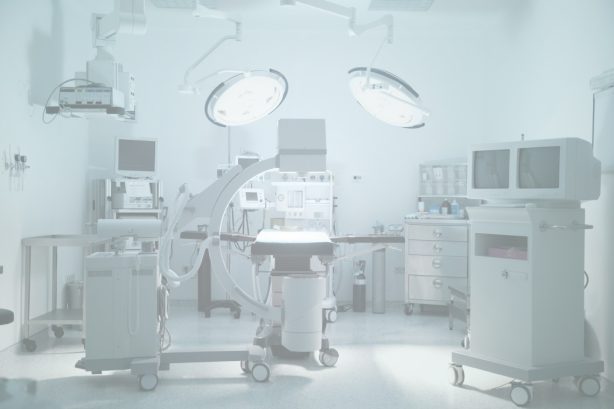
What Rental Equipment Is Used in Hospitals?
The high volume of patients in modern hospitals can place heavy demands on their equipment. Between replacing out-of-date and well-used equipment, sometimes it can be too costly for a hospital to purchase all the necessary equipment outright. To help make up for this, hospital equipment rental services like Auxo Medical have emerged to support healthcare facilities. Stocked with both new and refurbished items, rental services allow hospitals to receive the equipment they need at lower costs.
Why Use Hospital Equipment Rental?
Limitations on hospital budgets can put them in a position where they have to pick and choose which equipment they purchase. Rental equipment can alleviate some of that budgetary pressure, furnishing hospitals with what they need in the moment at lower rental costs. Hospital budget funds can then be focused on other priorities. Hospitals may also require equipment rentals during periods of high demand. Flu seasons, or widespread illnesses like COVID-19, can strain hospital resources with increased patient intake. Hospitals can turn to equipment rentals to temporarily bolster their supply and then return the rental equipment once demand subsides. Hospitals also rent equipment to navigate quickly developing technology. Renting equipment can be more cost-effective than buying it and replacing it again when a newer version makes it obsolete.
What Are Hospitals Renting?
Hospital equipment rental services provide a broad range of equipment for a variety of treatment needs, from surgery to examinations. Some of this equipment includes:
Infusion Pumps
In hospital rooms, infusion pumps are commonly used to introduce medication or nutrients directly into a patient’s bloodstream. These are the devices often seen connected to IV stands, though they function separately from an IV drip. Part of their utility is that they can automatically administer their contents in designated amounts and frequencies.
Ventilators
Used for care ranging from anesthesia to life support, ventilators are a key part of any hospital inventory. There is enough variety in ventilator technology and use that it can be more affordable for hospitals to rent them based on their particular needs. Demand for ventilators grew significantly with the emergence of COVID-19, making rental ventilators a valuable support for over-burdened hospitals.
Autoclaves
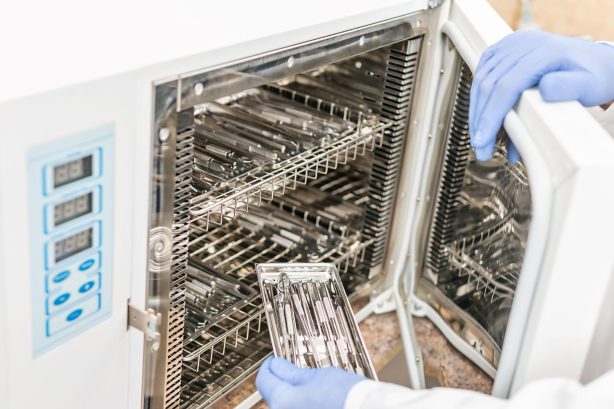
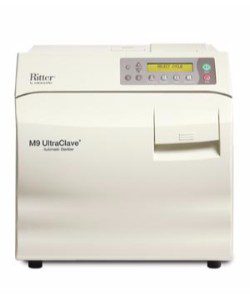
One of the principal utilities of autoclaves is equipment sterilization. Hospitals require properly sterilized tools to operate correctly, and autoclaves help maintain a supply of sterilized instruments. When hospital services are in higher demand than usual, tools and instruments are often used in higher quantities. Because of this, it may be necessary to add additional autoclaves to a hospital’s inventory, and rentals are useful for supplementing that supply.
Stretchers
Stretchers are often used to transport patients into and out of ambulances or through different areas in the hospital. Stretchers are another piece of equipment that is rented more during periods of high demand. Innovations in stretcher technology are infrequent enough that hospitals rarely need to replace them, but rentals can increase supply when necessary.
Ultrasonic Cleaners
Ultrasonic clears are another piece of equipment needed to help maintain the sterile environment of hospitals. By immersing instruments in liquid, the ultrasonic cleaners create rapid vibrations that help quickly break down any germs or content built up on the device. Cleaners of different sizes are available to accommodate larger instruments or greater quantities of tools.
Patient Monitors
Patient monitoring is a regular part of hospital care and treatment, and monitors come in a wide variety. The ability to choose monitors based on their capabilities and features when renting gives hospitals flexibility in building their inventory. From anesthetic monitors to fetal monitors, Auxo Medical can provide high-quality options to assist in multiple situations.
Surgical Tables & Chairs
A great deal of hospital treatment happens on surgical tables or in surgical chairs. In order to accommodate this frequent usage, they need to be sturdy. Even then, time takes its toll on well-used equipment. When surgical furniture begins to fail, rentals can make useful stop-gaps to meet needs until replacements are purchased and delivered. When considering upgrading, rentals can also be useful for evaluating the options on the market.
Defibrillators
It’s part of a hospital’s purpose to have life-saving equipment like defibrillators on hand for emergencies. Because they can make all the difference in averting tragedy, it can be useful to have extras on hand for emergencies. Hospitals may opt to rent these spare defibrillators as a cost-effective solution for building up a larger inventory.
Equipping Hospitals for Better Care
Keeping hospitals supplied is no small task, which is why services like Auxo Medical are here to support them. Whether they need cutting-edge equipment at an affordable rate, increased supply to handle increased demand, or temporary replacements for worn-out equipment, rentals can help hospitals meet the needs of their staff and patients. Visit the Auxo Medical homepage to learn more about rental equipment used in hospitals and explore available equipment.
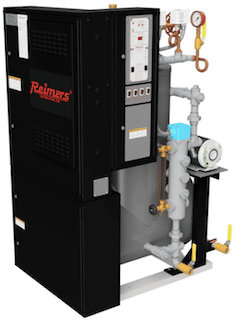 For those in charge of Sterile Processing Departments or medical equipment purchasing, finding the right steam generator or boiler for your facilities sterilization equipment bay be daunting. Auxo Medical is here to help. Our selection of new and refurbished steam generators are built with quality and reliability in mind, and they offer a wide range of features that make them ideal for a variety of medical uses. Our experienced and knowledgeable staff can help assist in providing the right systems for any size facility or department.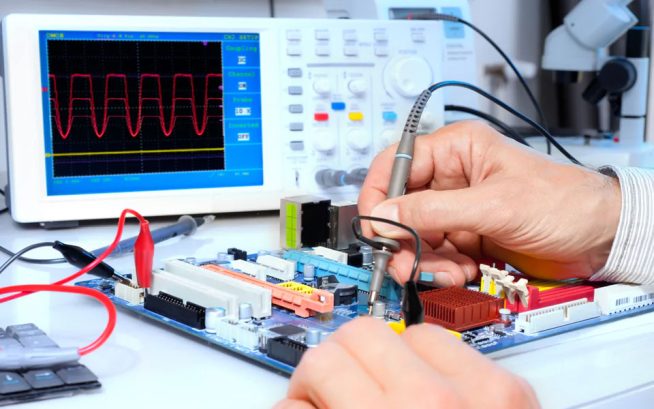
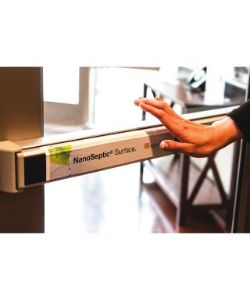
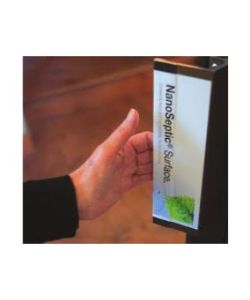 contaminants off of the surface and can help the product do its job for longer. In especially high-touch areas, you may need to replace the product more often, but other areas can use the product for up to 90 days.
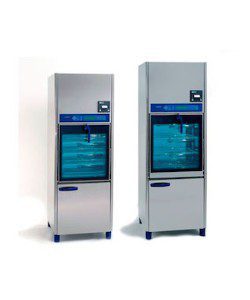 A washer disinfector is a medical device that is used to effectively clean and disinfect medical instruments and equipment. It is used to sterilize items ranging from medical instruments and trays to surgical instruments and implants. Washer disinfectors are a vital tool for medical professionals to ensure the safety of their patients. They are typically used in hospitals, clinics, and medical labs and provide a thorough and reliable method of cleaning medical instruments and equipment. A washer disinfector works by using a combination of heated water, detergent, and disinfectant to remove contaminants from the items being cleaned. The device also uses a high-pressure wash cycle to ensure that all materials are thoroughly cleaned.