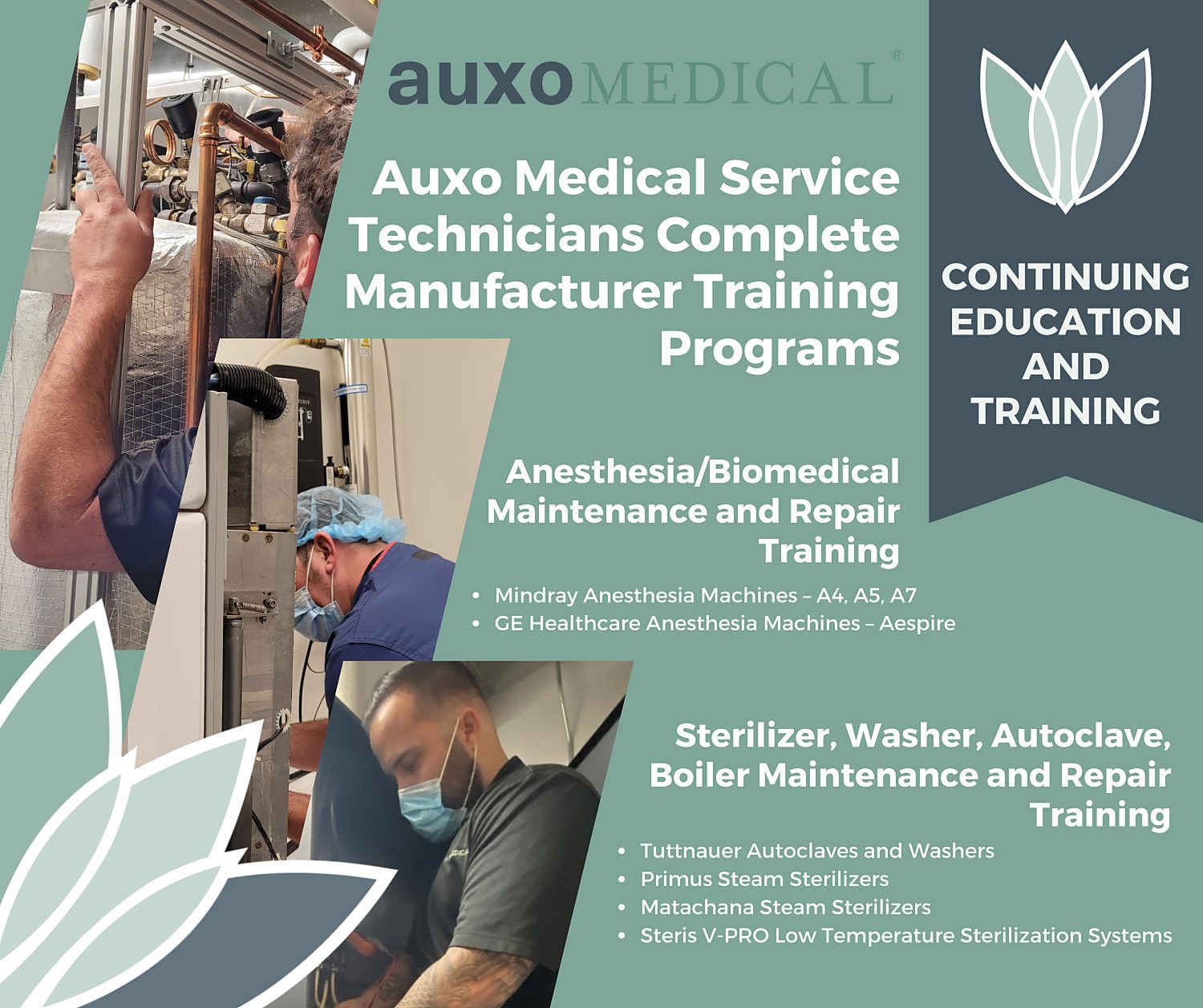
The Importance Of Preventative Maintenance For Your Medical Equipment
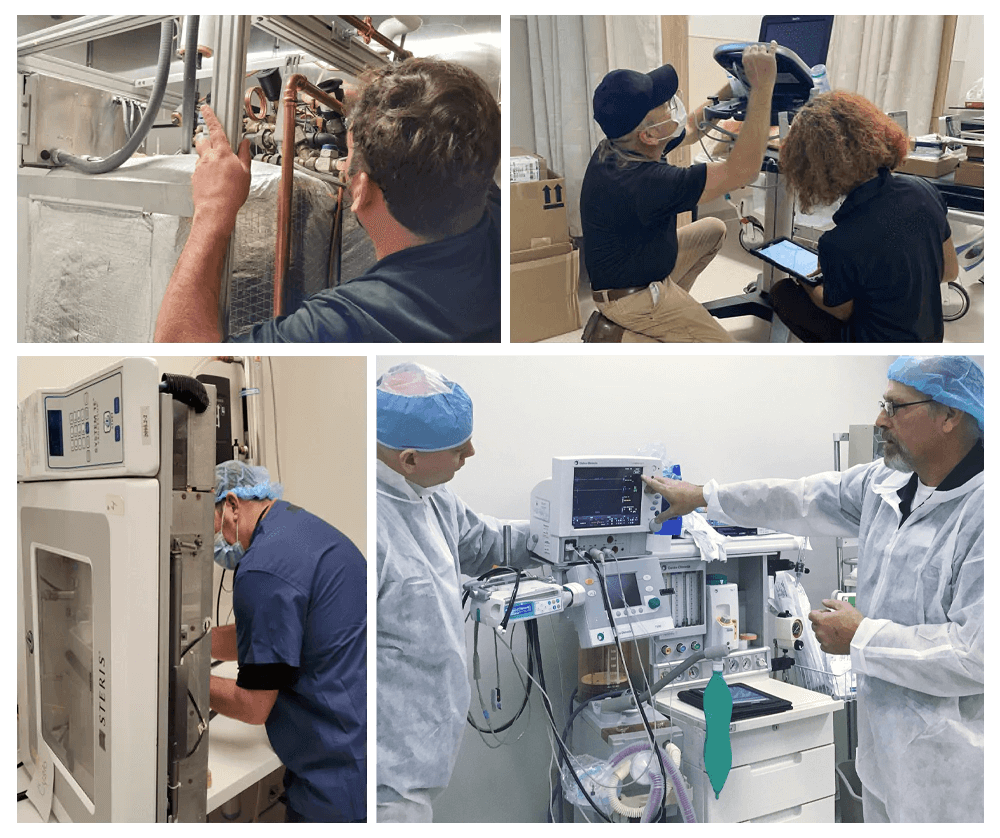
Your medical equipment is a vital part of your business, and it is important to keep it well-maintained to prolong its lifespan. That is where preventative maintenance comes in. Preventative maintenance is a scheduled service visit by a qualified technician to clean, out-of-range, and inspect your biomedical equipment. By keeping up with preventative maintenance, you can avoid costly repairs, minimize downtime, and extend the life of your investment.
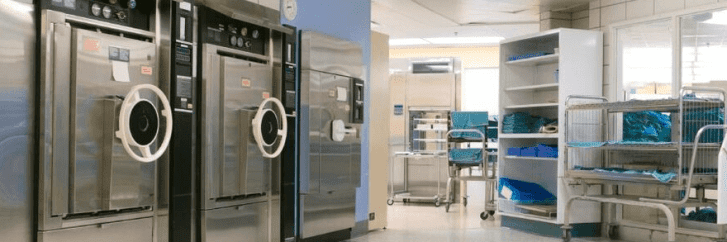
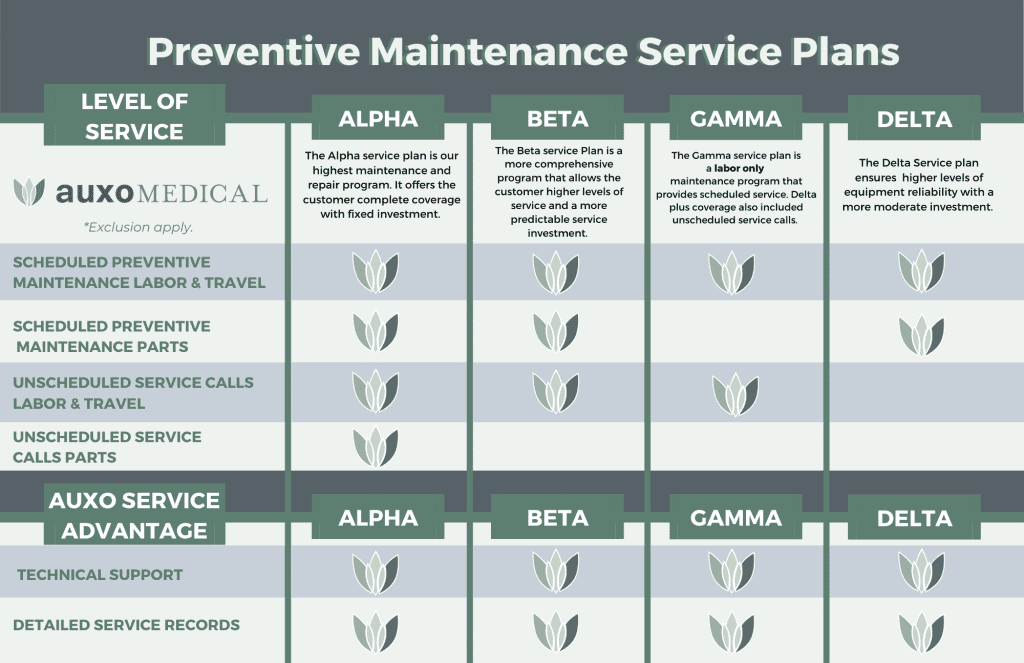
Auxo Medical offers preventative maintenance plans for your sterilizers, autoclaves, and other medical equipment. Our plans are customized to meet the unique needs of your surgery center, hospital, or laboratory. Learn more about the importance of preventative maintenance for your medical equipment and how Auxo Medical can help you keep your equipment in top condition.
Why is preventative maintenance important for your medical equipment?
Preventive maintenance is an important part of keeping your medical equipment in top condition. It is a regularly scheduled service visit by a qualified technician to clean, out-of-range test, and inspect your medical equipment for any potential issues. Through regular preventative maintenance by an Auxo Medical professional, issues with your medical equipment can often be detected before it breaks down, thus avoiding the cost of repairs and the inevitable downtime it would cause. The technician will be able to identify any potential factors that could lead to a breakdown, such as worn or defective parts or improper usage. Maintenance helps ensure that medical equipment is properly functioning, which is key for providing accurate, efficient care. Preventive maintenance also helps extend the life of your medical equipment, so you don’t need to prematurely replace your investments. Finally, regular maintenance helps maintain the safety of your medical equipment and its users.
What are the benefits of Auxo Medical’s preventative maintenance?
The benefits of preventative maintenance are numerous. Regular service visits by our qualified service technicians help to extend the longevity of your medical equipment, increase its performance and accuracy, and reduce the risk of unanticipated and costly repairs. Preventative maintenance may also help you avoid costly downtime due to repairs, as any potential problems can be discovered and fixed in a timely manner. In addition, preventative maintenance helps ensure that medical equipment is functioning as intended for patient and staff safety. Regulatory and medical design standards must be met, and maintenance helps ensure that all safety requirements are abided by. Finally, preventive maintenance provides a unique opportunity for staff training and demonstration of proper use, as the technician can provide guidance and answer any questions.
How often should you perform preventative maintenance on your medical equipment?
The frequency of preventive maintenance depends on a few factors, including the type of medical equipment, whether it’s used for patient diagnostics, or general use. The manufacturer’s recommendations should be followed for the particular medical equipment, as this will ensure optimal performance and accuracy. Additionally, if any changes are made to the equipment, the frequency of maintenance may need to be adjusted accordingly. Keeping in contact with your Auxo Medical team regarding maintenance and repair will ensure uptime and accuracy of your equipment.
What are some tips for preventative maintenance?
Performing preventative maintenance on your medical equipment is a key part of ensuring it functions properly and lasts a long time. Here are some tips to help keep your equipment in top shape:
- Follow the manufacturer’s maintenance recommendations as closely as possible.
- Schedule preventive maintenance visits at least once a year.
- Be sure to have a qualified technician perform secure installations and repair work.
- Ensure that all your medical equipment is adequately cleaned and appropriately organized.
- Make sure your equipment is inspected for any loose components or degraded parts.
- Conduct performance tests on equipment to verify its accuracy.
The Importance Of Preventative Maintenance For Your Medical Equipment
The importance of preventative maintenance for your medical equipment cannot be overstated. Regular maintenance visits by a qualified Auxo Medical service technician help to extend the life of your equipment and keep it functioning as it should. In addition, preventive maintenance helps to ensure the accuracy of your medical equipment, providing the best care for your patients. Finally, preventive maintenance helps to minimize costly repairs and downtime due to breakdowns. Follow the manufacturer’s maintenance recommendation, and schedule service visits regularly to keep your medical equipment in the best shape. Auxo Medical offers plans to help you maintain your equipment and keep it in top working order. Visit our Service Maintenance and Repair page for more details and to contact us for your maintenance or repair quote.
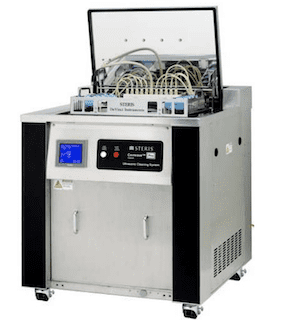 What is an Ultrasonic Cleaner?
 The Benefits of Buying a Refurbished Ultrasonic Cleaner Versus New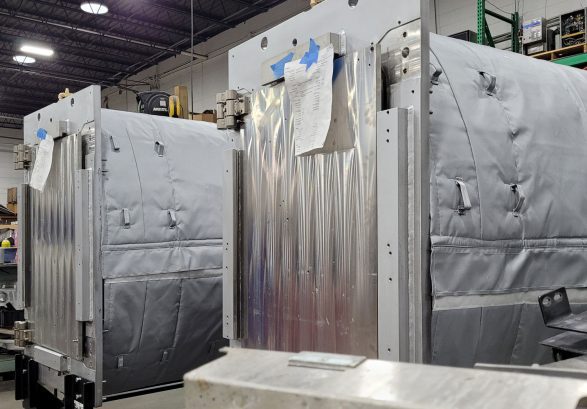
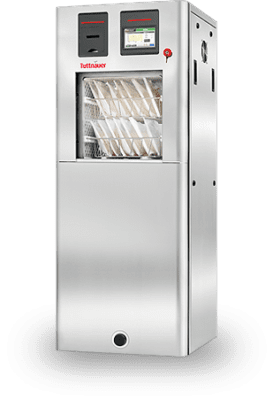 Hydrogen Peroxide Sterilizers are a type of sterilizer used to kill bacteria, viruses, fungi, and other microorganisms in healthcare settings. This sterilization method is widely used in hospitals, laboratories, and other medical facilities. It is a safe, effective, and economical way to sterilize medical instruments and surfaces. They use hydrogen peroxide to kill microorganisms. This chemical is highly reactive and breaks down quickly into oxygen and water, leaving no residue behind. It is also non-toxic and safe for humans and the environment.
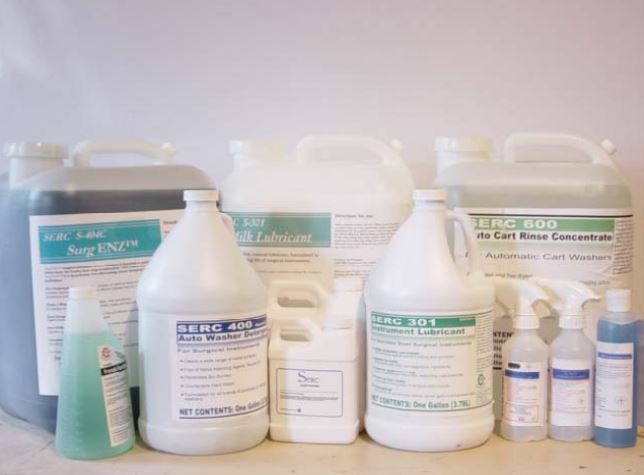 Medical and dental professionals understand the importance of keeping their instruments and other equipment clean and sanitized. To ensure that their instruments are properly disinfected, they rely on washer-disinfector detergents. These detergents are specially formulated to kill harmful bacteria and other microbes that can spread disease.
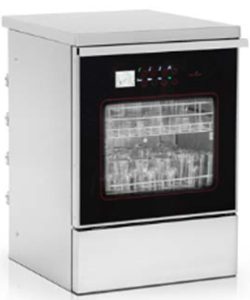 Are you in need of washer-disinfector equipment, detergents and supplies for your medical facility? Look no further than Auxo Medical. With a wide selection of washer-disinfector equipment, detergents and supplies, we provide the best quality products at the most competitive prices.