Why Auxo Medical is Your Trusted All-In-One Medical Equipment Solution in Virginia
When it comes to medical equipment solutions, you need a partner who understands the importance of reliability, efficiency, and quality. That’s where Auxo Medical comes in. With decades of expertise in the biomedical industry, we have established ourselves as a trusted all-in-one medical equipment solution in Virginia.
The medical equipment and service you need from a company you can trust.
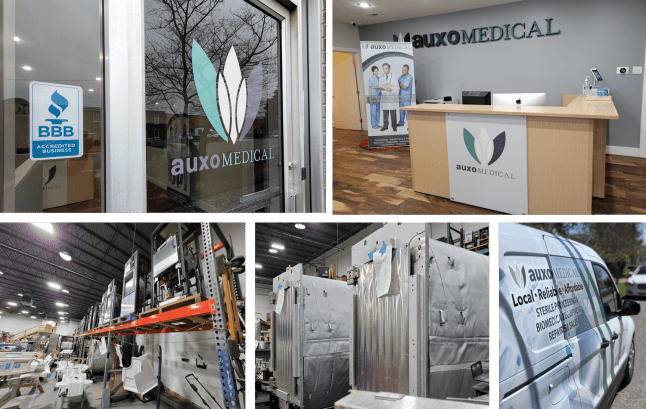
Auxo Medical is your all-in-one medical equipment solution for sales, maintenance and repair. We provide personal service most expect from a small local business with the expertise and benefits of a large medical equipment company. We provide medical equipment as well as repair and maintenance services to ambulatory surgery centers, hospitals, laboratories, private physician practices, and more. We have the expertise to provide the equipment you need, the reliability to build a lasting relationship, and the responsiveness and services you need and expect.
From a Small East Coast Distributer to Full Service Medical Equipment Sales, Maintenance and Repair Provider
Originally established as East Coast Distributors in 1998, Jay Crabtree purchased the company in 2007 and changed the name to Auxo Medical. Along with one of the original founders, the leadership team looked to expand offering new services, which were initially offered from the company headquarters in Richmond, VA.
At Auxo Medical, we are committed to providing our clients with top-notch services that ensure their medical equipment is always up and running. We understand that when your equipment breaks down or needs maintenance, it can cause significant disruptions to your operations and negatively impact patient care. That’s why we offer comprehensive preventive maintenance plans to help you avoid such situations altogether.
Our team of highly skilled technicians is always ready to help with any issues you may encounter with your medical equipment. From equipment sales to repairs and maintenance, we are your one-stop-shop for all things biomedical. We understand that different healthcare facilities have unique needs and requirements; therefore, we tailor our services to meet your specific demands.
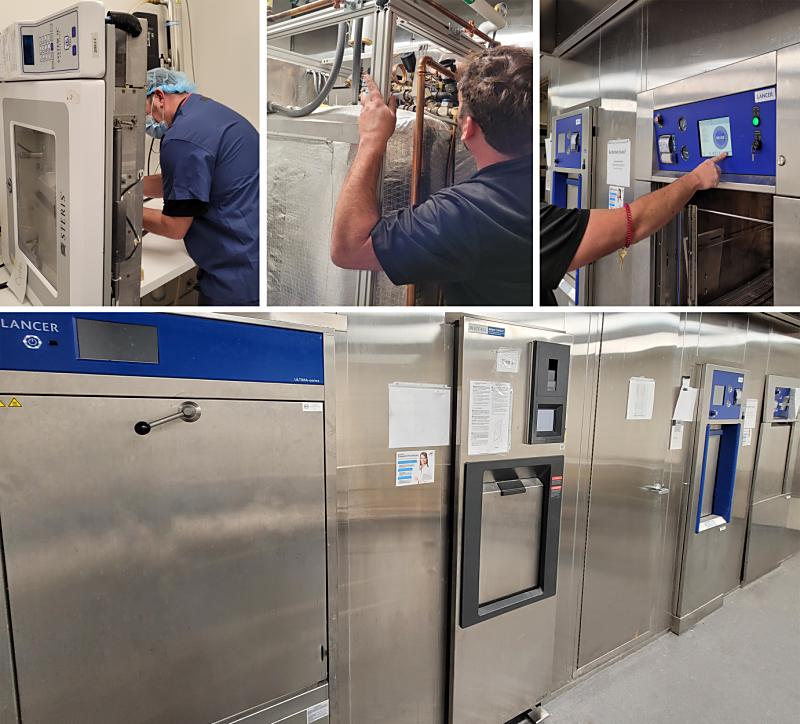
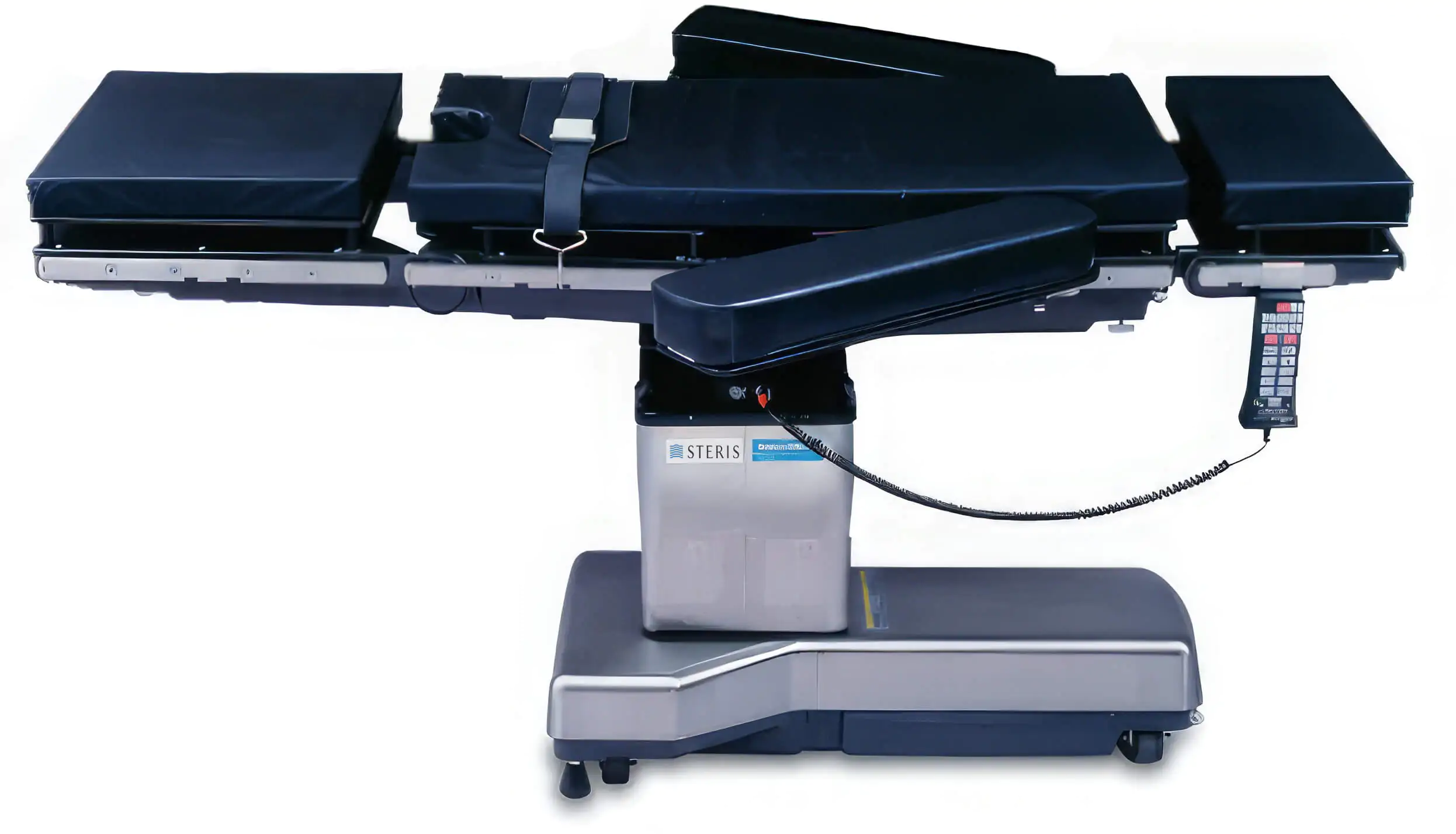
In addition, you can trust us with all your sterilization equipment needs, including washer disinfectors, autoclaves, and sterilizers. We also specialize in anesthesia equipment procurement as well as maintenance services. Our commitment to quality means that you can rest assured knowing that all our products are from reputable manufacturers.
Auxo Medical has helped many hospitals, clinics, labs and surgery centers overcome their medical equipment challenges by providing top-notch services tailored specifically for each facility’s unique needs. Our commitment to customer satisfaction means that we always go the extra mile to ensure that our clients receive the best possible service experience.
Sterile Processing, Biomed and Anesthesia Equipment Sales, Maintenance & Repair
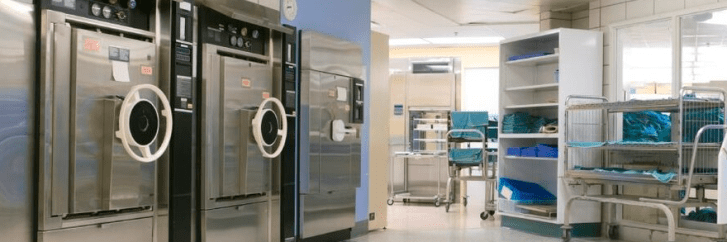
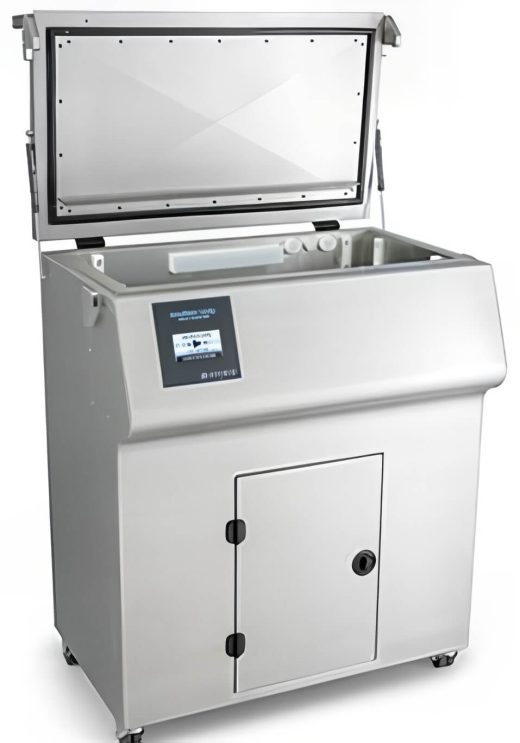
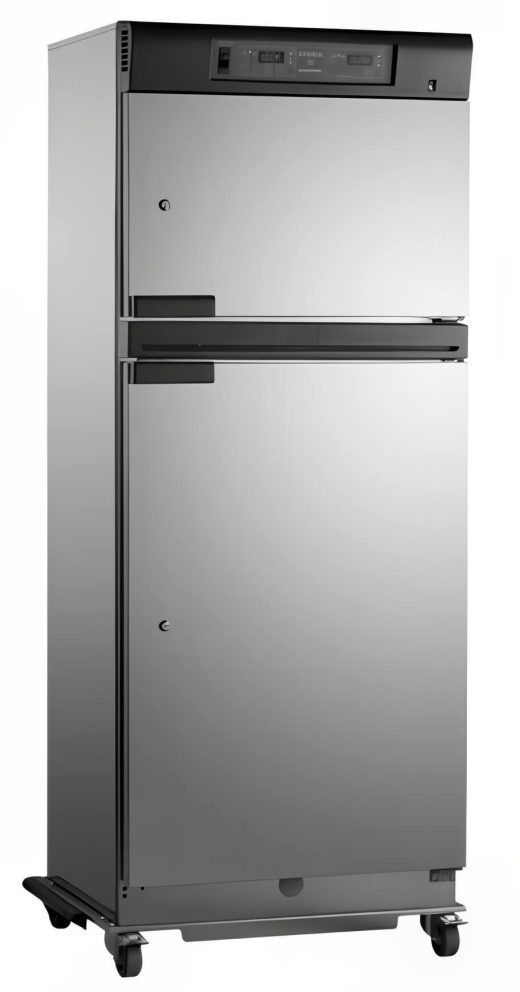
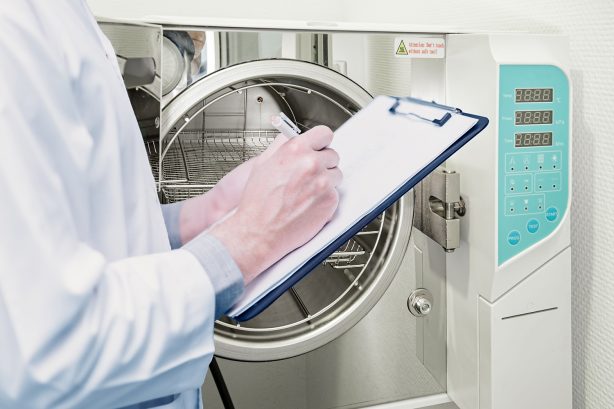
Proper sterilization of medical equipment is critical to preventing the spread of infections and diseases within healthcare facilities. At Auxo Medical, we understand the importance of reliable sterilization equipment in providing safe patient care. That’s why we offer a wide variety of high-quality sterilization equipment such as autoclaves, sterilizers, and washer disinfectors.
An autoclave uses high-pressure steam to sterilize medical tools and devices. Our autoclaves are designed to meet all regulatory standards for ensuring complete destruction of bacteria, viruses, and other pathogens. We also provide various types of sterilizers that use different methods to destroy microbes depending on the needs of your facility. Additionally, our washer disinfectors are ideal for cleaning and disinfecting instruments that cannot be effectively cleaned by hand.
With our expertise in medical equipment procurement, sales, maintenance and repair services in Virginia – Auxo Medical can help you select the right sterilization equipment solution for your healthcare facility’s needs.
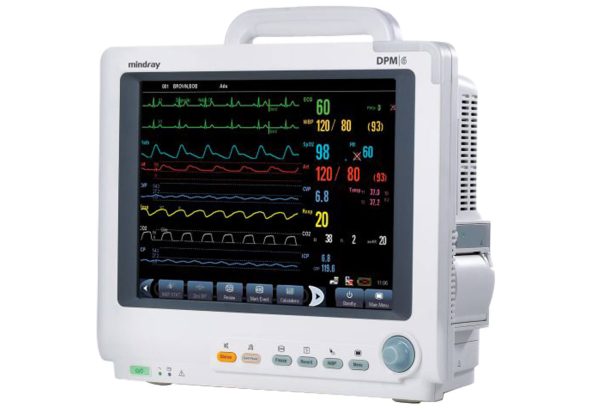
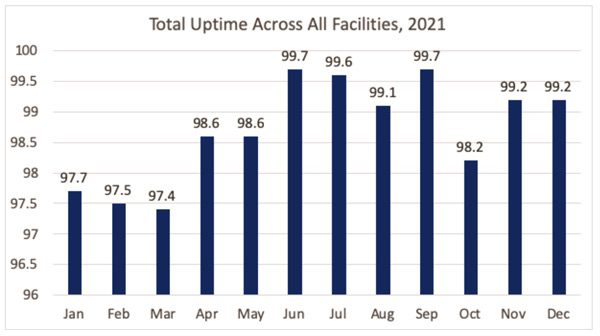
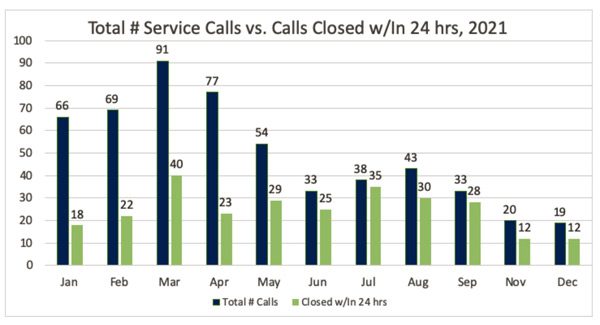
Biomedical equipment is crucial in diagnosing and treating patients, but this equipment requires regular maintenance to ensure optimal performance. Equipment downtime can cause disruptions in patient care and negatively impact the bottom line of healthcare facilities. Preventative maintenance plans can save time, money, and help keep patients safe.
Equipment failures can happen without warning, leading to costly repairs or even replacements. Regular maintenance helps detect issues before they turn into major problems, saving healthcare facilities from expensive emergencies. In addition to reducing the likelihood of breakdowns, regular maintenance ensures the accuracy and reliability of biomedical equipment.
Preventative maintenance is a vital part of running an efficient healthcare facility that delivers quality patient care. With proper attention given to biomedical equipment, healthcare providers can avoid unnecessary downtime while increasing the lifespan of their medical devices.
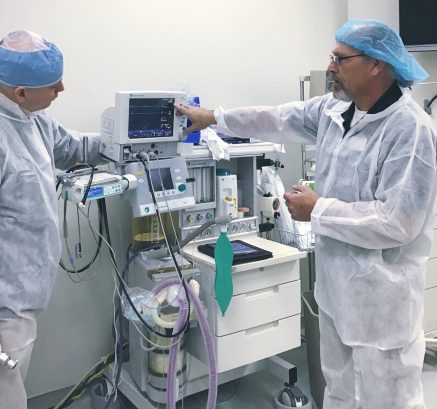
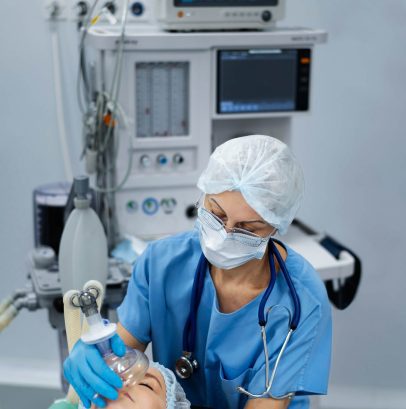
The quality of the anesthesia machine is critical in ensuring safety for patients who must undergo a medical procedure. Auxo Medical understands that healthcare facilities demand high quality and reliable anesthesia machines. As such, we offer an extensive range of machines to suit different requirements.
Our procurement process involves sourcing machines that meet our stringent quality standards. We have partnered with leading manufacturers who produce high-tech machines that incorporate the latest technology advancements. We offer sales options tailored to match your budget range and needs, while taking care of delivery and installation for you. Our technicians are highly trained in maintaining these sophisticated machines to ensure they function optimally.
At Auxo Medical, we understand the importance of minimizing downtime for your facility due to equipment failure or malfunctioning. That is why we offer preventive maintenance plans customized to suit your specific needs. Our experienced professionals provide routine inspection services so that any potential issues can be identified early enough before they become costly problems.
We also offer repair services for anesthesia machines in case they break down or require replacement parts. Our team comprises experts who can quickly diagnose issues with your machine and provide lasting solutions so that you can get back on track with minimal disruption to your schedule.
With our dedication to high-quality service delivery, we assure healthcare facilities in Virginia a reliable partner when it comes to anesthesia machine procurement, sales, maintenance, and repair services.
Regular preventive maintenance (PM) is essential for the optimal performance and longevity of medical equipment. Proper maintenance also ensures that equipment functions according to manufacturer specifications, which is critical to patient safety. Auxo Medical offers comprehensive PM plans tailored to meet the unique needs of healthcare facilities in Virginia.
From routine inspections and cleaning to emergency repairs, our team of experienced technicians provides timely and reliable maintenance services. We use advanced diagnostic tools to identify potential issues before they become major problems, saving facilities time and money in expensive repairs or replacements. Additionally, Auxo Medical offers detailed documentation to ensure compliance with regulatory requirements.
Auxo Medical’s Commitment to Quality and Customer Service
At Auxo Medical, we understand that quality and customer service are two essential pillars of any successful business. That’s why we go above and beyond to provide our customers with unparalleled attention to detail and personalized service that is tailored to meet their unique needs.
Our team of highly trained experts is dedicated to ensuring that every piece of medical equipment we sell or service meets the highest standards of quality and safety. From procurement to installation, preventive maintenance, and repair, we take a proactive approach to every aspect of our business operations.
We believe that building strong relationships with our customers is key to our success. That’s why we take the time to listen carefully to their concerns, offer transparent pricing, industry-leading warranties, as well as exemplary after-sales support. We are committed to providing our customers with the resources they need to make informed decisions about their medical equipment investments.
At Auxo Medical, customer satisfaction is at the core of everything we do. Our commitment extends beyond selling or servicing medical equipment; it also includes a continued relationship that ensures your facilities medical equipment is in good hands. Whether you’re looking for new or refurbished medical equipment or require maintenance services on existing equipment, you can count on us for quality products and exceptional customer service.
Auxo Medical is your trusted all-in-one medical equipment solution in Virginia. We are fully committed to providing top-tier quality products as well as exceptional customer care services. In addition, we strive towards meeting your unique needs by offering transparent pricing structures and industry-leading warranties coupled with after-sales support which ensures you get the most out of every piece of equipment.
Why You Should Choose Auxo Medical for Your Medical Equipment Needs in Virginia
Choosing the right medical equipment provider is critical to ensuring quality patient care. Auxo Medical has been serving healthcare facilities in Virginia for many years, providing top-notch equipment, maintenance services, and excellent customer service. By choosing Auxo Medical as your all-in-one medical equipment solution provider, you can have peace of mind knowing that you are partnering with a team of experts who will help you maintain and repair your medical equipment to keep it running smoothly.
Auxo Medical’s commitment to quality and customer service is what sets them apart from other providers. We offer a wide range of biomedical equipment and services to meet the needs of healthcare facilities both large and small. Our team of experienced technicians provides regular preventive maintenance plans, repairs, and updates that keep your equipment functioning at optimal levels. With Auxo Medical, you can be confident that your facility will have the tools it needs to provide exceptional patient care. Contact Auxo Medical today! Call (804) 233-4424.

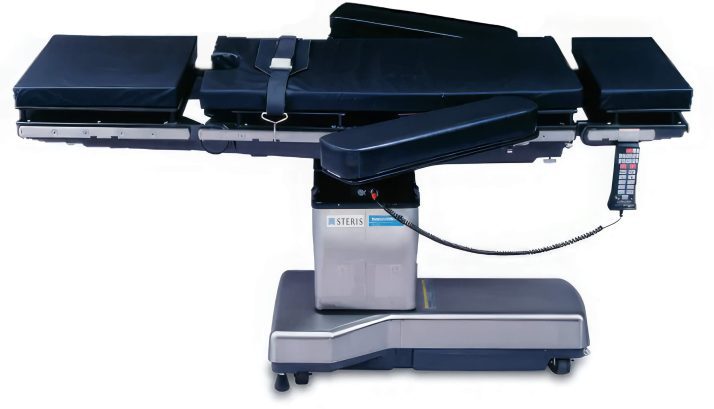
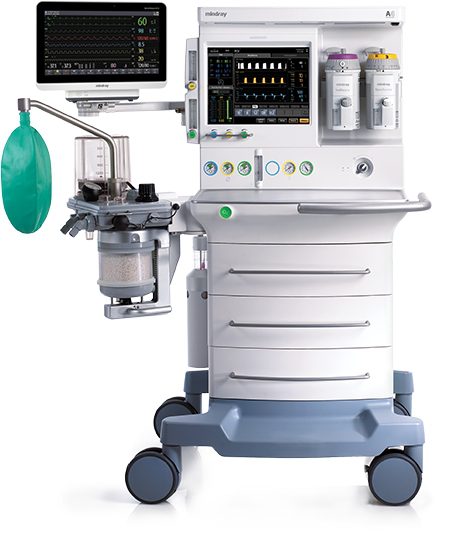
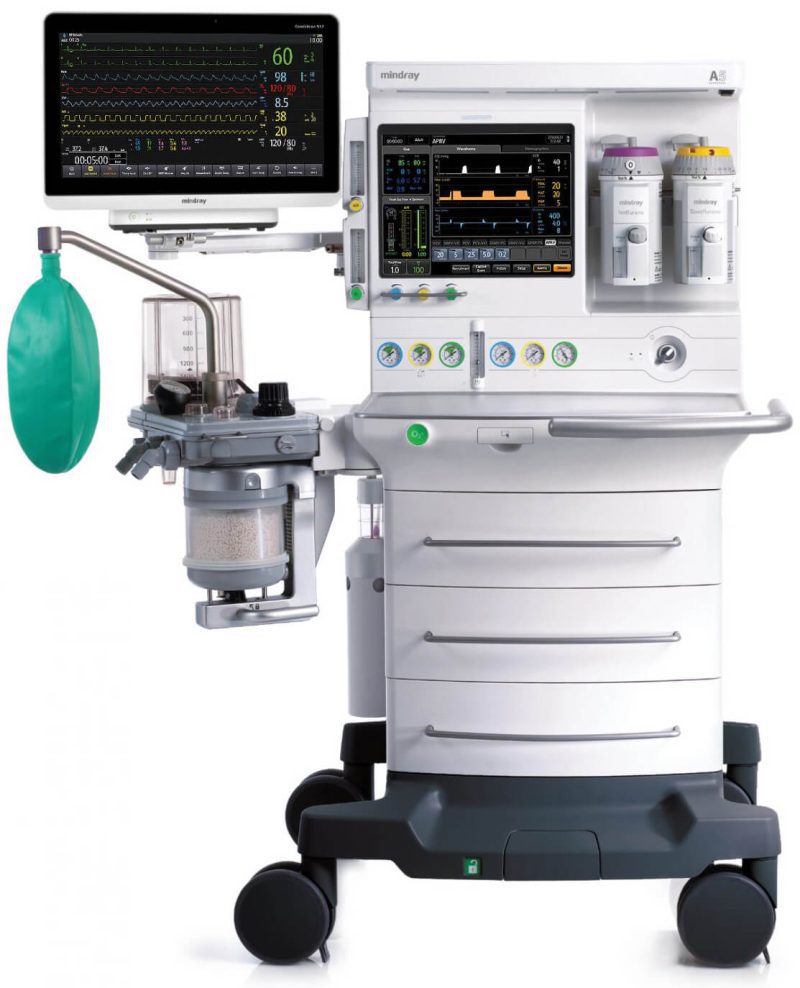
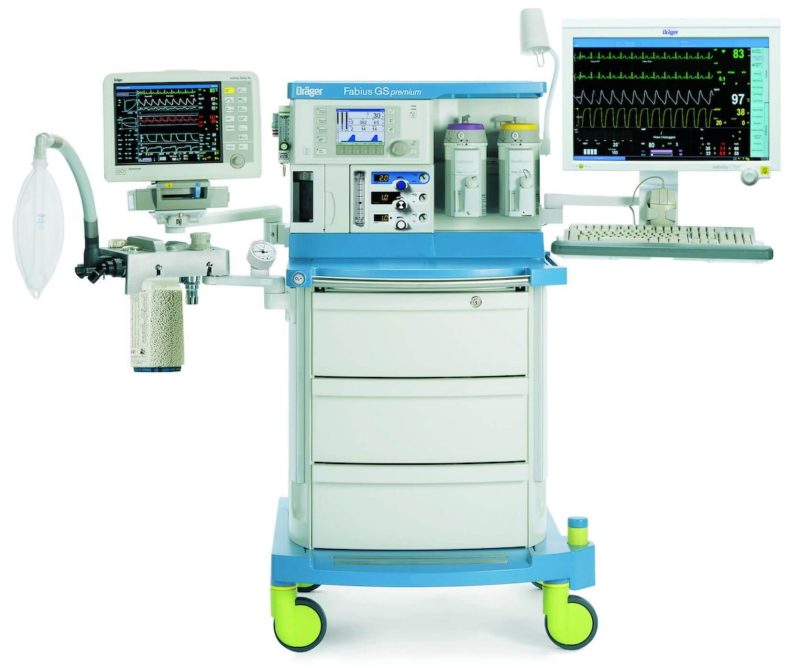
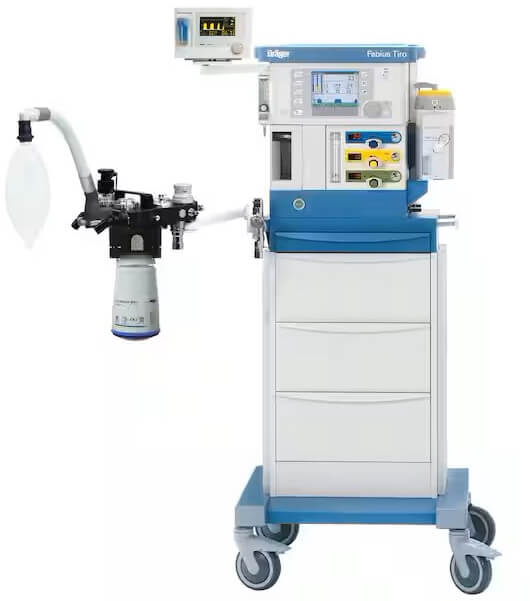
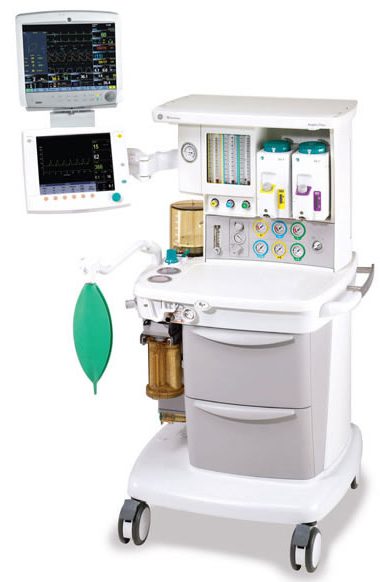
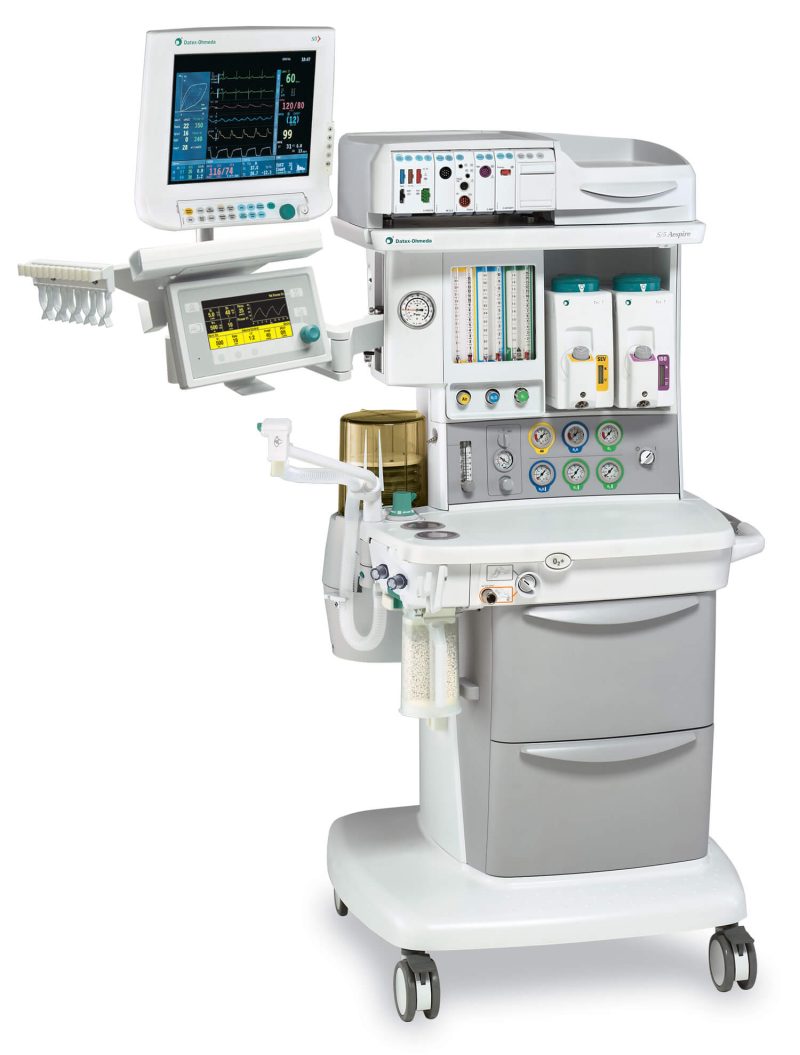 The GE Aespire with 7900 SmartVent is an innovative anesthesia machine that combines advanced technology with user-friendly features. This machine is designed to provide precise and reliable delivery of anesthesia gases to patients. The SmartVent system enables the anesthesiologist to easily control and adjust the ventilation settings to ensure optimal patient comfort and safety. With its intuitive interface and customizable settings, the Aespire with 7900 SmartVent allows for seamless integration into any operating room environment. This machine is equipped with various safety features, such as an integrated monitoring system and alarms, to ensure the highest level of patient care. Overall, the GE Aespire with 7900 SmartVent is a cutting-edge anesthesia machine that enhances the efficiency and effectiveness of anesthesia delivery.